

From Classroom to Clinic: Addressing Gaps in Student Performance and Potential
SATURDAY, OCTOBER 17, 2026
10:15 AM – 12:15 PM
Course Description
A goal of occupational therapy education is to ensure that all students achieve critical clinical competencies necessary to prepare students to become entry-level occupational therapy practitioners (Accreditation Council for Occupational Therapy Education, 2024). Academic programs and clinical sites must be prepared to provide structured, individualized, and evidence-informed remediation when students are not meeting expected benchmarks. Structured remediation helps students improve their performance to meet their potential. This session will engage OT academic and fieldwork educators in exploring strategies to identify and support learners who are struggling during clinical experiences.
Presenters will describe a collaborative, classroom-to-clinic approach used within an occupational therapy program, highlighting processes for early identification of performance concerns, development of individualized learning plans, and targeted interventions. Remediation in academics, clinical skills, and professional development will be addressed. Key elements will include assessment of specific skill deficits, utilization of diagnostic and evaluative resources, and the timing and format of remediation strategies such as simulation, guided practice, and modified fieldwork experiences.
Case studies will be used to illustrate concepts as well as to provide attendees with opportunities to apply best practices for supporting students, fostering growth, and promoting successful transition from classroom learning to clinical competence.
Speakers

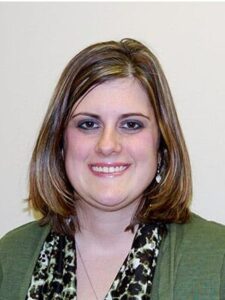
Gina Kubec, OTD, OTR/L Gina L. D. Kubec, OTD, OTR/L, is a Clinical Assistant Professor in the Occupational Therapy Program at Cleveland State University, where she has taught since 2011. Her teaching spans interprofessional health care seminars, occupational environments, medical conditions, practicum courses, and doctoral capstone proposal and experience courses. She also serves as a Research Occupational Therapist at The Cleveland FES Center and previously practiced as a Clinical Occupational Therapist at the Louis Stokes Veterans Affairs Medical Center, specializing in spinal cord injury rehabilitation, upper extremity reconstruction, and pressure ulcer management. Her research and publications focus on caregiver self-efficacy, upper extremity contractures after cervical spinal cord injury, and interface pressure mapping.
Dr. Kubec is an active scholar, mentor, and grant recipient. She served as Co-PI on a $500,000 Ohio Department of Higher Education grant titled Bringing Robot Assistants into the Homes of People with Cervical SCI and has mentored numerous doctoral capstone and graduate research projects in areas including spinal cord injury, pain management, caregiver burnout, and inclusive recreation. Her work has been recognized with the Ohio Occupational Therapy Association Model of Practice Award (2024) and two Cleveland State University Faculty Merit Recognition Awards (2023, 2024). Dr. Kubec holds a Doctor of Occupational Therapy from The University of Toledo Health Science Campus and a Bachelor of Science, cum laude, in Psychology and Spanish from John Carroll University.
Kristen Pataki, OTD. OTR/L is a dedicated occupational therapist, researcher, and educator specializing in pediatric therapy and aquatic rehabilitation. She serves as a faculty member in the Occupational Therapy Program at Cleveland State University, where she teaches and mentors future practitioners.
Dr. Pataki’s clinical expertise and research focus heavily on innovative pediatric interventions, particularly aquatic occupational therapy for children with sensory processing challenges. She holds an advanced Aquatic Therapy and Rehab Institute Credential (ATRIC), allowing her to integrate specialized water-based therapy techniques into her practice and academic research. Through her work, she bridges the gap between classroom theory and evidence-based clinical practice to improve functional outcomes for children and their families.
Presentation Slides – click here to access/download
Content Level
Introductory: This level assumes the audience has little or no information regarding the content area. This level assumes the audience has little or no information regarding the content area.
Intermediate: This level assumes the audience has general familiarity with the literature and professional practice. The focus of the presentation is on increased understanding and application by the participants.
Practice Areas
Fieldwork and Academics/Education; Professional Issues