

HOT TOPIC: OT Designed Campus-Based Outreach Supports to Reduce the Gap in Access for Mental Health and Wellness Services for College Students with Mental Health Needs
FRIDAY, OCTOBER 16, 2026
4:10 PM – 4:40 PM
Course Description
A mental health crisis is unfolding on college campuses across the country. College students are experiencing increasing rates of anxiety, depression, and suicidal ideation each year, while counseling centers struggle to keep pace with growing demand. Students seeking mental health and wellness resources face long wait times and overwhelmed counselors, with many campus wellness centers maintaining waiting lists of several weeks or more. As the gap in mental health access widens, campus-based outreach supports have emerged as a tool some universities are using to address unmet student needs.
Grounded in current evidence, an occupational therapy-informed approach to campus-based outreach was designed and implemented at a large university to foster student well-being and address gaps in access to traditional counseling services. The result was Pathways to Thrive — a structured, holistic program built around two core domains of student support: Success through Self-Determination and Wellbeing through Regulation. By centering occupation, self-regulation, and student agency, Pathways to Thrive expands the reach of mental wellness resources beyond the counseling center and positions OT as a vital contributor to campus mental health systems.
What sets this program apart is its accessibility and flexibility. As a manualized, evidence-based intervention with multimodal delivery options — including traditional workshops, tabling events, individual meetings, and online formats — Pathways to Thrive meets students where they are, creating multiple meaningful opportunities for engagement across the campus environment. This Hot Topic session will highlight the program’s design, implementation, and early outcomes, offering attendees a replicable model for OT-led campus outreach that is responsive to the evolving mental health needs of college students.
Speakers

Emily Borchers, OTD, OTR/L, is an occupational therapist at The Ohio State University Wexner Medical Center with clinical experience spanning adult acute care, pediatric behavioral health, trauma‑informed practice, and campus-based mental wellness initiatives. She earned her clinical doctorate in occupational therapy from The Ohio State University, where her capstone focused on expanding access to mental health and wellness supports for undergraduate students through outreach in Student Life Disability Services.
Emily currently practices at Ohio State Harding Hospital, providing trauma‑informed occupational therapy within adult acute psychiatric care. She remains committed to bridging clinical mental health services with campus‑based supports to improve access, participation, and wellbeing for undergraduate students.
She is passionate about advancing accessible, client-centered care and advocating for the role of occupational therapy in both clinical and non‑clinical settings.
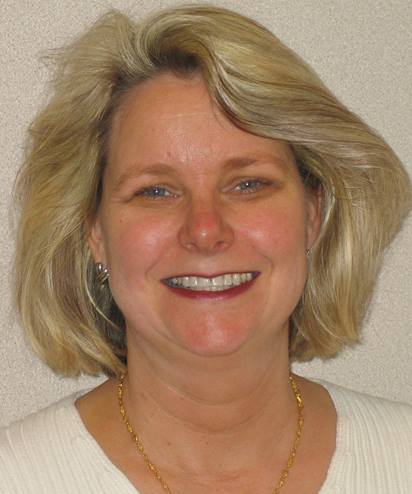
Monica L. Robinson, PP-OTD, OT/L, BCMH, FAOTA, FNAP is a nationally recognized educator and occupational therapist with over 30 years of experience across diverse care settings. Her work has spanned acute care, inpatient rehabilitation, outpatient services, psychiatric and residential mental health, skilled nursing facilities, and community-based primary care.
Her credentials reflect both her depth of knowledge and her national impact. She holds a Clinical Doctorate in Occupational Therapy and an MS in Advanced Practice Occupational Therapy, and she is board certified in Mental Health by the American Occupational Therapy Association, a distinction earned by fewer than one percent of occupational therapists.
At the core of Dr. Robinson’s work is a passion for improving how students learn. Her teaching and scholarship focus on the scholarship of teaching and learning (SoTL), metacognition, interprofessional education, and creating a sense of belonging in the classroom.
She has taught more than 100 courses across occupational therapy, health sciences, and graduate education. Bringing innovative, evidence-based teaching strategies into every learning experience. Her approach emphasizes active learning, real-world application, and critical thinking, ensuring students are prepared not just to succeed academically, but to lead in complex health care environments.
Presentation Slides – Click Here to Access/Download
Content Level
Intermediate: This level assumes the audience has general familiarity with the literature and professional practice. The focus of the presentation is on increased understanding and application by the participants.
Practice Areas
Community-based Practice; Health and Wellness; Mental Health