

Interprofessional Functional Cognition Screening and Intervention for The Older Adult
FRIDAY, OCTOBER 16, 2026
1:00 PM – 2:00 PM
Course Description
Alzheimer’s disease and related dementias affect more than 6.9 million Americans, with projections exceeding 13 million by 2050 (Alzheimer’s Association, 2021). Despite the scale of this public health challenge, speech-language pathologists (SLPs) and occupational therapists (OTs) remain underutilized in the diagnostic cognitive evaluation process. Survey research indicates that while 87% of SLPs report providing services to individuals with mild cognitive impairment (MCI) or early-stage dementia, fewer than half have received formal training to do so, and the majority rely on informal and unstandardized assessment methods (Lanzi et al., 2022). Simultaneously, a systematic review of 18 tools available for cognitive-communication assessment in dementia found that only three met criteria for standardization, normative data, and criterion validity, and none captured the person’s perspective on the functional impact of communication impairment (Krein et al., 2019).
These gaps have real clinical consequences. Cognitive impairment is frequently undetected in primary care settings and racial and ethnic minority populations face disproportionate delays in diagnosis and access to services (Aranda et al., 2021; Fink et al., 2020). The case for early, skilled, interdisciplinary evaluation is needed with timely identification of cognitive impairment supports access to care coordination, caregiver training, safety planning, and evidence-based non-pharmacological intervention, all of which have been shown to support quality of life and aging in place (Hickey & Bourgeois, 2018; National Institute for Health and Care Excellence [NICE], 2018). The presenters will describe complementary and non-overlapping roles of SLP cognitive-communication assessment and OT functional evaluation, with emphasis on how integrated findings from both disciplines support diagnostic clarity. SLP-specific tools discussed include the Arizona Battery for Cognitive-Communication Disorders, Second Edition (ABCD-2; Bayles & Tomoeda, 2019), the Functional Linguistic Communication Inventory-2 (FLCI-2; Bayles & Tomoeda, 2020), the Assessment of Language-Related Functional Activities (ALFA; Baines et al., 1999), and evidence-informed discourse analysis approaches. OT functional tools discussed include the Performance Assessment of Self-Care Skills (PASS), the Executive Function Performance Test (EFPT), and the Canadian Occupational Performance Measure (COPM). The session also addresses patient- and caregiver-reported outcome measures and quality of life tools including the QOL-AD (Logsdon et al., 1999) and the DEMQOL (Smith et al., 2005), and emphasizes their role in capturing functional impact from the perspective of the person living with dementia.
Speakers
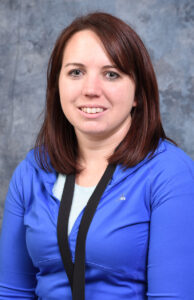

Jessica Kennedy is a highly skilled and compassionate Physical Therapist Assistant (PTA) practicing in the greater Cincinnati, Ohio area. Known for her dedicated, patient-centered approach to physical rehabilitation, she has established a strong reputation for helping patients regain maximum mobility, strength, and daily operational independence. Throughout her career in the healthcare sector, Jessica has brought a hard-working and communicative energy to multi-disciplinary medical environments. Her clinical footprint in the Ohio region includes key rehabilitation roles across orthopedics and extended care
Meredith Grant Kinne, M.A., CCC-SLP, is a dedicated and highly skilled speech-language pathologist based in Ohio, specializing in providing comprehensive clinical care to veteran populations. She currently serves as a speech pathologist within the Home Based Primary Care program at the Cincinnati VA Medical Center, where she delivers vital speech, language, cognitive, and swallowing therapy directly to patients in their home environments.
Meredith earned her Master of Arts degree from Miami University, building a strong foundation in evidence-based practice and compassionate clinical care. Her professional expertise spans the assessment and rehabilitation of complex neurological and communication disorders, with a profound commitment to improving the quality of life and independence of the individuals she serves.
Content Level
Intermediate: This level assumes the audience has general familiarity with the literature and professional practice. The focus of the presentation is on increased understanding and application by the participants.
Practice Areas
Aging in Place/Geriatrics; Emerging Practice Area