

Poster Session #2
SATURDAY, OCTOBER 17, 2026
2:15 PM – 3:15 PM
Course Description
Join us for Poster Session #2 at the 2026 OOTA Annual Conference, where presenters will showcase evidence-informed projects, emerging research, and innovative practice models aligned with this year’s theme, Pivot Points: Amplify, Adapt, Advance.
This session offers a unique opportunity to engage with colleagues in an interactive setting, exploring a diverse range of topics—from clinical insights and community partnerships to curriculum innovations and advocacy efforts. Presenters will be available to discuss their work, answer questions, and share practical strategies that can be applied across practice settings.
Posters and Authors
Orthotic Use to Support Functional Outcomes in Children with Hand Burn Injuries: A Scoping Review – Emily Keyes, S/OT, Barbara Elleman OTD, OTR/L, C/NDT, CNS
CLICK HERE TO LEARN ABOUT THE AUTHORS
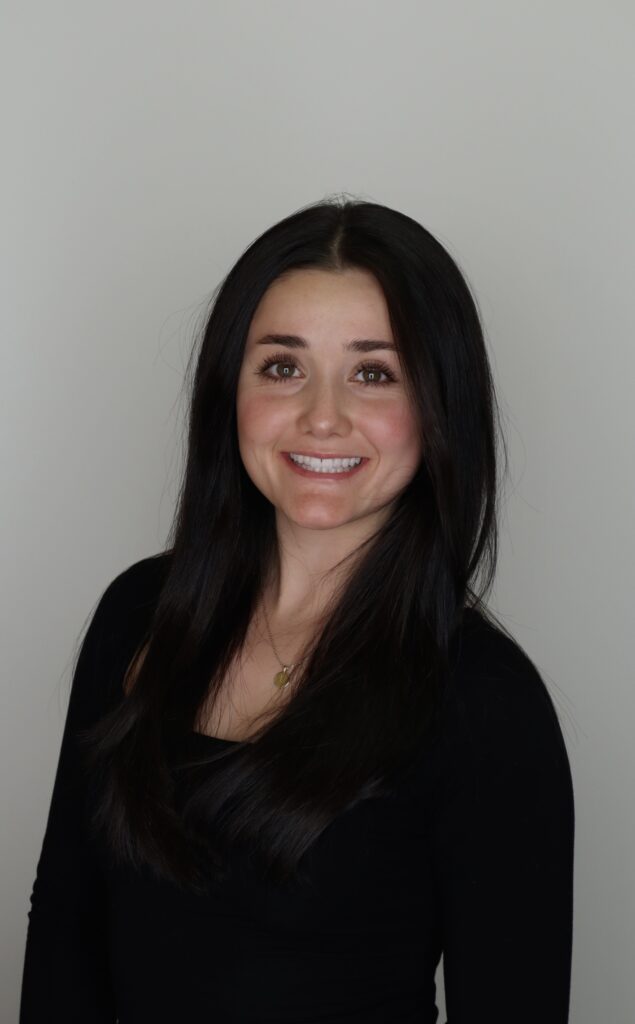
Emily Keyes, S/OT, is a third-year occupational therapy doctoral student at Xavier University. Her research explores the role of orthotics in supporting functional outcomes for pediatric patients with hand and upper extremity burn injuries, with a focus on the role of occupational therapy in hand therapy and burn rehabilitation. Emily’s interest in this area developed through Level I fieldwork at Saint Elizabeth Outpatient Hand Therapy, where she observed hand therapists’ important role in the rehabilitation process. This experience led her to conduct a scoping review examining current orthotic interventions used to support and promote functional outcomes in pediatric patients with upper extremity burn injuries. Emily is excited to continue expanding her knowledge and experience in this area of practice and to share her research at OOTA.
Dr. Barbara Elleman is an assistant professor in the Occupational Doctorate Program at Xavier University. Barb has been involved with the OT program as an adjunct professor since 2014 and provided guest lectures for many years prior to that. Barb graduated from East Carolina University in 1992 (B.S in OT) and earned a post professional Masters i(MHS in OT) from the University of Indianapolis in 2002. She completed a post professional doctorate (OTD) at Eastern Kentucky University in 2020 and is currently pursuing a PhD through the University of Kentucky.
Barb began her career working in inpatient rehabilitation with adults and children and has worked with individuals across the lifespan in varied settings including home health, acute care, rehab, skilled nursing and outpatient; however much of her career has involved work with children and infants. Barb’s research interests relate to pedagogy of teaching and learning, intervention to support mothers and infants and children exposed to opioids in utero and supporting student scholarship. In teaching Barb enjoys incorporating flipped classroom, active learning and authentic learning experiences into the courses she teaches. She is thrilled to join the Xavier faculty and excited for the opportunity to mentor students to become competent pediatric practitioners and support student research and scholarship. Outside of work, Barb enjoys playing tennis, hiking and spending time with her husband, her adult and teenage children, grandson and her dog Brutus. Barb can be reached at ellemanb@xavier.edu..
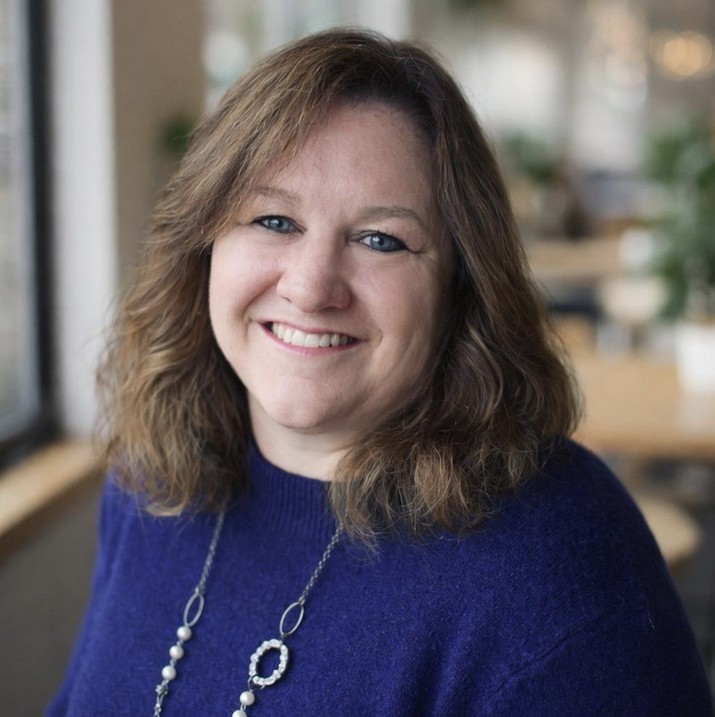
Optimizing OT as a functional support service across the cancer-care continuum – Miranda Walker, S/OT, Nicole Stotz, PhD, OTR/L
CLICK HERE TO LEARN ABOUT THE AUTHORS
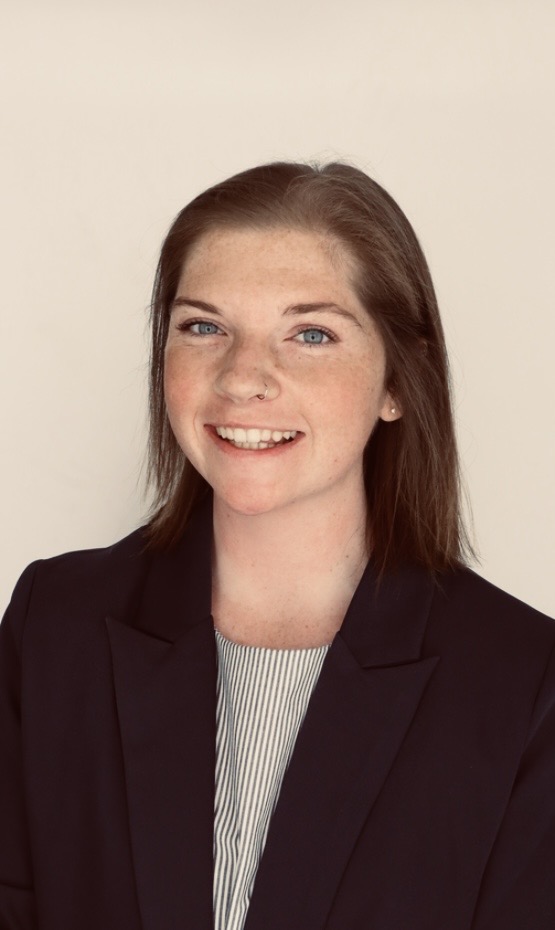
Miranda Walker is a recent graduate of The University of Toledo’s Occupational Therapy Doctorate Program. Throughout her program, she had the opportunity to gain clinical experience working with clients across the lifespan. Miranda has a strong passion for helping others by bringing together her personal and professional lived experiences. During graduate school, she experienced the loss of her father to cancer. Today, she shares his story as part of her passion for advocacy and oncology care. This experience inspired her to complete an advocacy-based doctoral capstone focused on oncology care, which aimed to increase access to OT services through systematic change. This enriching advocacy experience helped shaped her into a passionate future clinician and advocate. She looks forward to the many opportunities ahead within the scope of OT and making a meaningful impact on the lives of others.
Dr. Nicole Stotz completed her Occupational Therapy Doctorate Degree in 2009, and PhD in Health Education in 2023. Her clinical expertise includes the adult and geriatric populations and has worked in various therapeutic settings, including skilled nursing, home health, acute care, and inpatient rehabilitation. She is an Associate Professor in the OTD Program at The University of Toledo and has been working in academia since 2015. Her teaching responsibilities include content focused on models of practice, adult rehab, clinical reasoning, OT process and interventions, as well as advocacy.
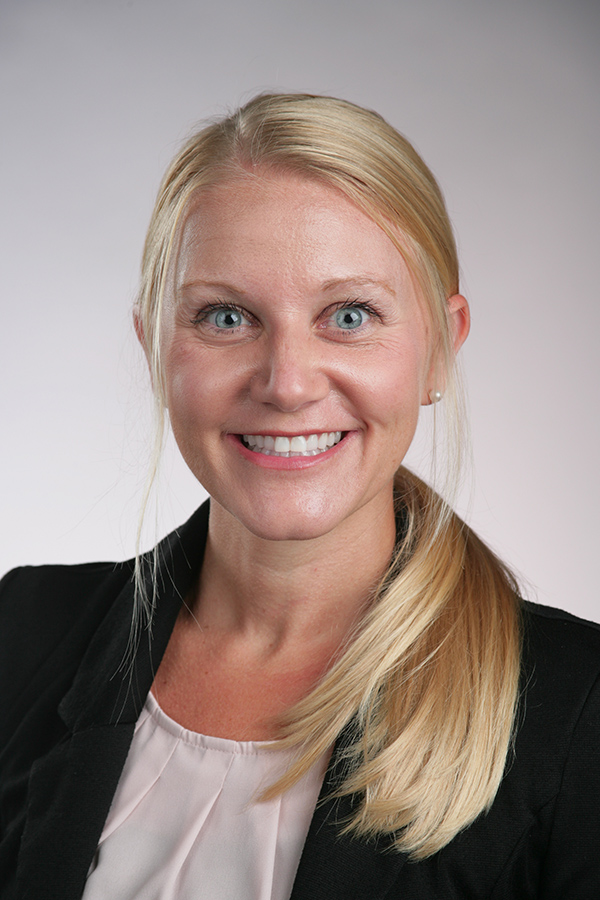
Understanding First-Generation College Students’ Motivation to Apply to Graduate School – Ali Williams, EdD, OTD, OTR/L
Ali Williams, EdD, OTD, OTR/L
Dr. Ali Williams, EdD, OTD, OTR/L, is the Academic Fieldwork Coordinator at The Ohio State University. With clinical experience across pediatric and adult settings, she mentors OT students and teaches fieldwork courses. She also supports admissions and student retention, helping guide prospective students and fostering success throughout the OT program.
A Person-Environment-Occupation Approach to Addressing the Health Literacy Needs of Parents and Caregivers in Tummy Time Education – Madison Friar, S/OT, Lindsay Schweller, OTD, OTR/L, Alyssa Stoy, S/OT, Alexia E. Metz, PhD, OTR/L
CLICK HERE TO LEARN ABOUT THE AUTHORS
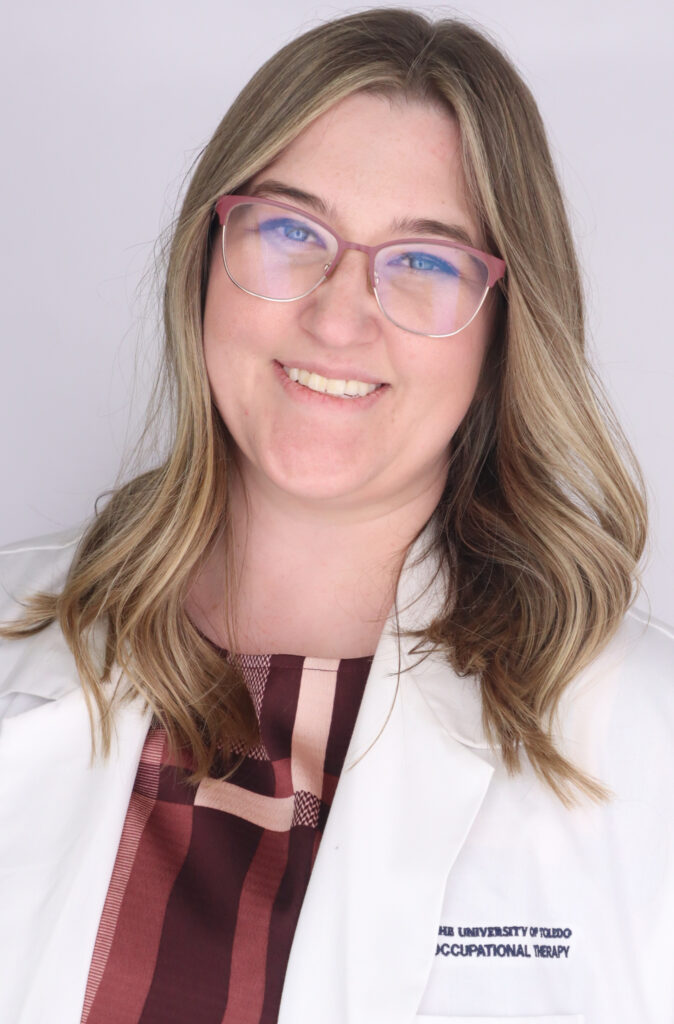
Madison Friar is a third year occupational therapy doctorate (OTD) student at the University of Toledo with clinical interests of acute/critical care pediatrics, pediatric inpatient rehabilitation, and neonatal intensive care (NICU). Inspired by her mission to advance occupational therapy practice for medically complex children, she will complete her capstone project to bridge the gap in provision of OT services with pediatric oncology patients beginning January 2027. Throughout the OTD program, Madison has demonstrated a strong commitment to the future of the occupational therapy profession through her engagement at both the state and national levels. She is currently an active member of the inaugural OOTA mentorship program and has previously run for a national student leadership position with AOTA. A future clinician, leader, and advocate, Madison’s goal is to provide compassionate, family-centered care to equip children and families with the skills and tools needed to engage in the everyday moments that matter most.
Dr. Alexia E. Metz trained as an occupational therapist at Eastern Michigan University (’95) and practiced in several clinical settings, primarily with children. She earned her Ph.D. in Neuroscience at Northwestern University (’06). She is currently a Professor and OTD Program Director at the University of Toledo, where she has been on faculty since 2007.Her research interests include sensory processing and sensory processing disorder; occupational therapy approaches to maximize participation for children, especially those with special needs, through family-centered practice; application of contemporary neuroscience principles to occupational therapy practice; and best practices in interprofessional teaming in service to young children and their families.
HANDOUT: Creating Tummy Time Routines for Your Baby’s Development
Interventions Addressing Occupational Participation for Individuals with Tactile Sensory Loss: A Scoping Review – Katelyn Hummel, S/OT, Barbara Elleman OTD, OTR/L, C/NDT, CNS
CLICK HERE TO LEARN ABOUT THE AUTHORS
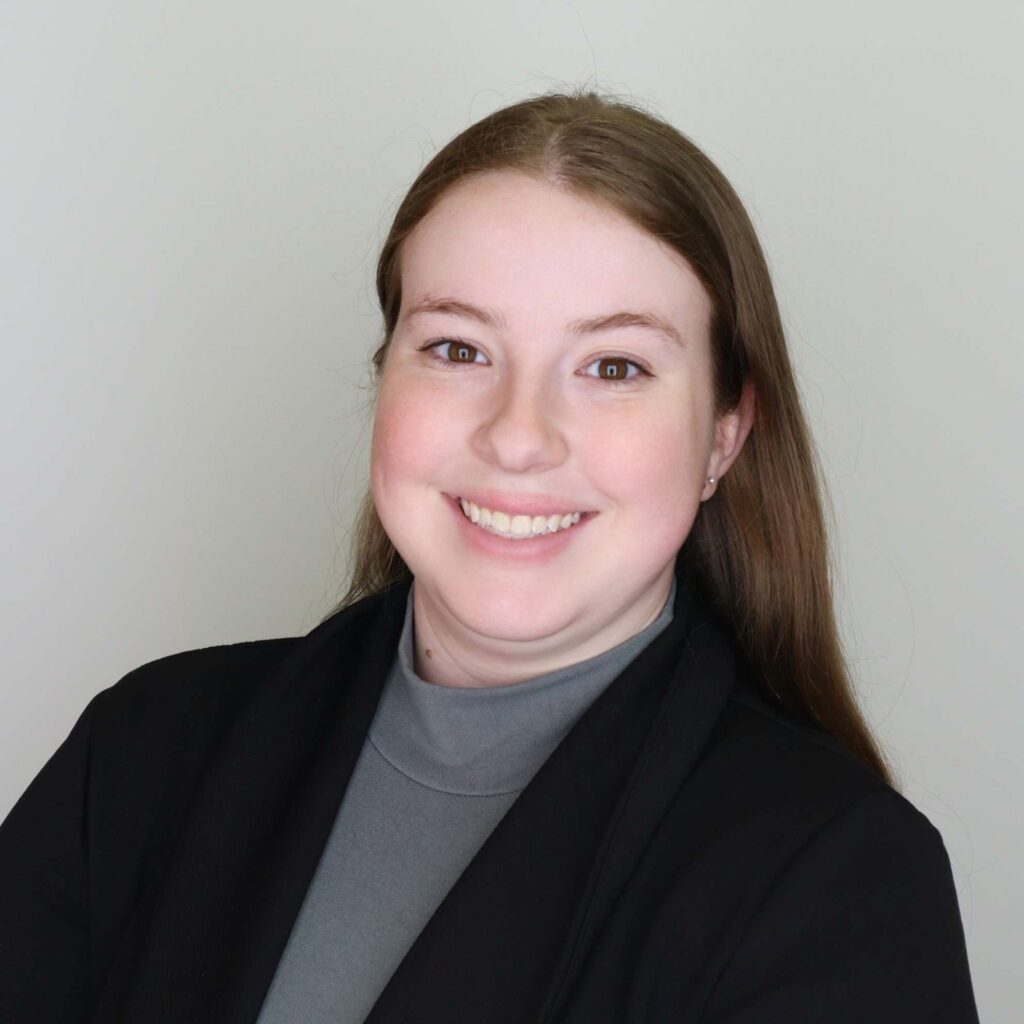
Katelyn Hummel, S/OT, is a third-year occupational therapy doctoral student at Xavier University. She is interested in pursuing a career working in neurological inpatient rehab. Hummel’s research explores interventions that support occupational participation among individuals with tactile sensory loss. Her interest in this area developed from her capstone goal of creating practical tools to improve safety, efficiency, and independence in frequently overlooked daily activities, such as meal preparation. To build a foundation for this work, Hummel conducted a scoping review examining somatosensory interventions and their effects on participation in everyday activities. She looks forward to continuing to expand her knowledge and experience in this area of occupational therapy practice.
Dr. Barbara Elleman is an assistant professor in the Occupational Doctorate Program at Xavier University. Barb has been involved with the OT program as an adjunct professor since 2014 and provided guest lectures for many years prior to that. Barb graduated from East Carolina University in 1992 (B.S in OT) and earned a post professional Masters i(MHS in OT) from the University of Indianapolis in 2002. She completed a post professional doctorate (OTD) at Eastern Kentucky University in 2020 and is currently pursuing a PhD through the University of Kentucky.
Barb began her career working in inpatient rehabilitation with adults and children and has worked with individuals across the lifespan in varied settings including home health, acute care, rehab, skilled nursing and outpatient; however much of her career has involved work with children and infants. Barb’s research interests relate to pedagogy of teaching and learning, intervention to support mothers and infants and children exposed to opioids in utero and supporting student scholarship. In teaching Barb enjoys incorporating flipped classroom, active learning and authentic learning experiences into the courses she teaches. She is thrilled to join the Xavier faculty and excited for the opportunity to mentor students to become competent pediatric practitioners and support student research and scholarship. Outside of work, Barb enjoys playing tennis, hiking and spending time with her husband, her adult and teenage children, grandson and her dog Brutus. Barb can be reached at ellemanb@xavier.edu..
OT-Designed Campus Outreach to Reduce Mental Health Access Gaps for College Students – Emily Borchers, OTD, OTR/L, Monica L. Robinson, PP-OTD, OT/L, BCMH, FAOTA, FNAP
CLICK HERE TO LEARN ABOUT THE AUTHORS
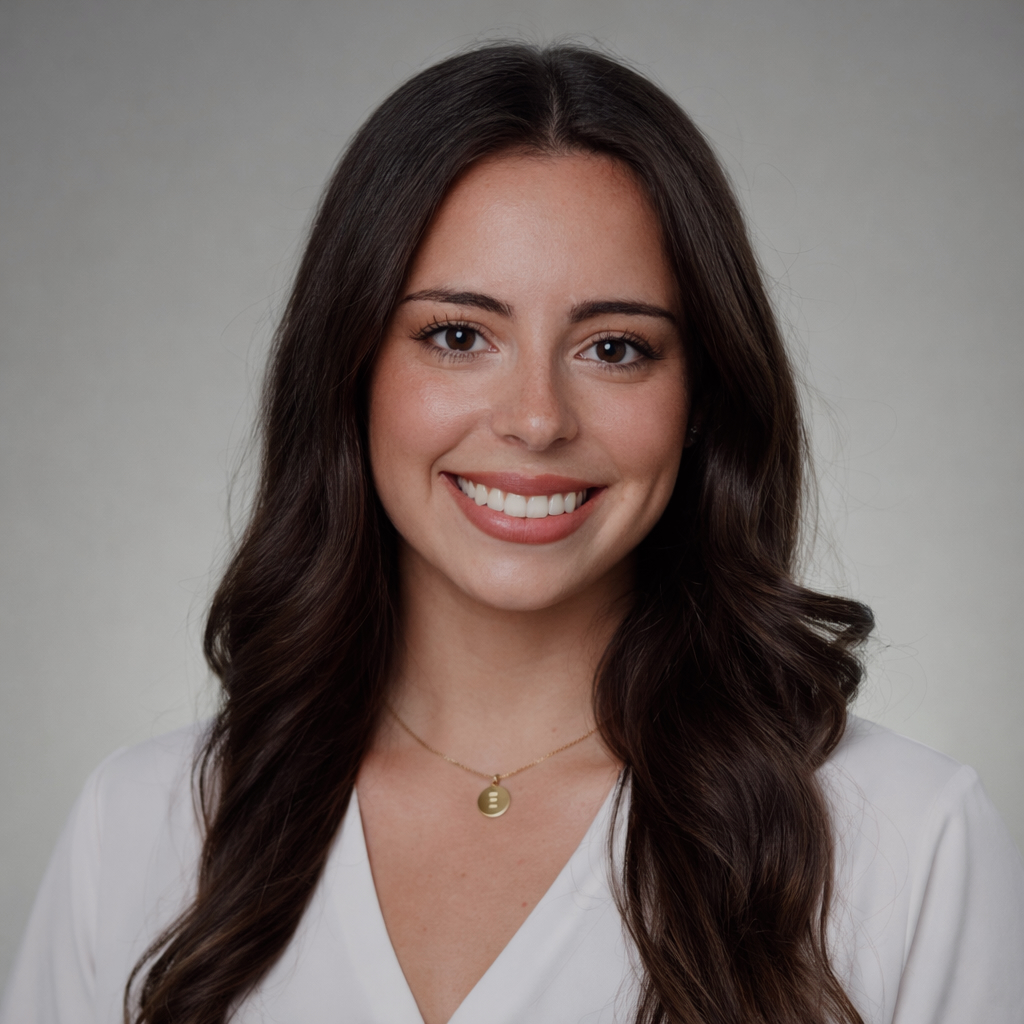
Emily Borchers, OTD, OTR/L, is an occupational therapist at The Ohio State University Wexner Medical Center with clinical experience spanning adult acute care, pediatric behavioral health, trauma‑informed practice, and campus-based mental wellness initiatives. She earned her clinical doctorate in occupational therapy from The Ohio State University, where her capstone focused on expanding access to mental health and wellness supports for undergraduate students through outreach in Student Life Disability Services.
Emily currently practices at Ohio State Harding Hospital, providing trauma‑informed occupational therapy within adult acute psychiatric care. She remains committed to bridging clinical mental health services with campus‑based supports to improve access, participation, and wellbeing for undergraduate students.
She is passionate about advancing accessible, client-centered care and advocating for the role of occupational therapy in both clinical and non‑clinical settings.
Monica L. Robinson, PP-OTD, OT/L, BCMH, FAOTA, FNAP is a nationally recognized educator and occupational therapist with over 30 years of experience across diverse care settings. Her work has spanned acute care, inpatient rehabilitation, outpatient services, psychiatric and residential mental health, skilled nursing facilities, and community-based primary care.
Her credentials reflect both her depth of knowledge and her national impact. She holds a Clinical Doctorate in Occupational Therapy and an MS in Advanced Practice Occupational Therapy, and she is board certified in Mental Health by the American Occupational Therapy Association, a distinction earned by fewer than one percent of occupational therapists.
At the core of Dr. Robinson’s work is a passion for improving how students learn. Her teaching and scholarship focus on the scholarship of teaching and learning (SoTL), metacognition, interprofessional education, and creating a sense of belonging in the classroom.
She has taught more than 100 courses across occupational therapy, health sciences, and graduate education. Bringing innovative, evidence-based teaching strategies into every learning experience. Her approach emphasizes active learning, real-world application, and critical thinking, ensuring students are prepared not just to succeed academically, but to lead in complex health care environments.
Supporting Digital Participation for Transitional-Aged Youth with Intellectual and Developmental Disabilities: A Scoping Review – Bridget Mulica, S/OT, Barbara Elleman OTD, OTR/L, C/NDT, CNS
CLICK HERE TO LEARN ABOUT THE AUTHORS
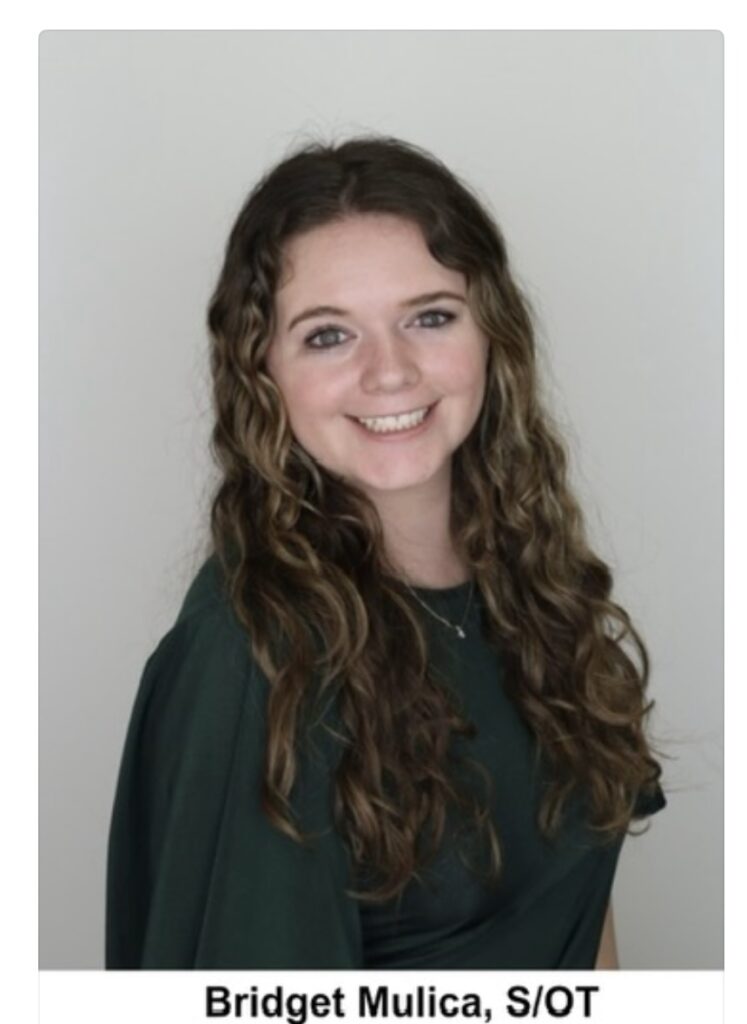
Bridget Mulica, S/OT, is a third-year Doctor of Occupational Therapy student at Xavier University. Her research focuses on digital literacy interventions supporting online safety among transition-aged individuals with intellectual and developmental disabilities (IDD). Through her experiences working with children and adolescents with diverse abilities, she developed a passion for promoting independence, self-advocacy, and meaningful participation. As technology becomes increasingly integrated into everyday life, Bridget recognizes the importance of addressing barriers to digital participation to ensure individuals with disabilities have equitable opportunities to participate. This interest led her to conduct a scoping review examining interventions that promote safe and independent online engagement among individuals with IDD. Her clinical experiences in pediatric occupational therapy, mental health, and international practice have further shaped her commitment to accessible and inclusive care. Bridget hopes to continue advocating for opportunities that empower individuals with disabilities to participate meaningfully in their communities.
Dr. Barbara Elleman is an assistant professor in the Occupational Doctorate Program at Xavier University. Barb has been involved with the OT program as an adjunct professor since 2014 and provided guest lectures for many years prior to that. Barb graduated from East Carolina University in 1992 (B.S in OT) and earned a post professional Masters i(MHS in OT) from the University of Indianapolis in 2002. She completed a post professional doctorate (OTD) at Eastern Kentucky University in 2020 and is currently pursuing a PhD through the University of Kentucky.
Barb began her career working in inpatient rehabilitation with adults and children and has worked with individuals across the lifespan in varied settings including home health, acute care, rehab, skilled nursing and outpatient; however much of her career has involved work with children and infants. Barb’s research interests relate to pedagogy of teaching and learning, intervention to support mothers and infants and children exposed to opioids in utero and supporting student scholarship. In teaching Barb enjoys incorporating flipped classroom, active learning and authentic learning experiences into the courses she teaches. She is thrilled to join the Xavier faculty and excited for the opportunity to mentor students to become competent pediatric practitioners and support student research and scholarship. Outside of work, Barb enjoys playing tennis, hiking and spending time with her husband, her adult and teenage children, grandson and her dog Brutus. Barb can be reached at ellemanb@xavier.edu.
Professionalism in Practice: Developing a Course to Support Student Success in Fieldwork – Kali Scott, S/OT
Content Level
Introductory: This level assumes the audience has little or no information regarding the content area.
Intermediate: This level assumes the audience has general familiarity with the literature and professional practice. The focus of the presentation is on increased understanding and application by the participants.
Practice Areas
Aging in Place/Geriatrics; Children and Youth; Community-based Practice; Emerging Practice Area; Fieldwork and Academics/Education; Health and Wellness; Home Health/Telehealth; Mental Health; Professional Issues; Rehabilitation