

Bathroom Buddies – Shower Edition
Alyssa DeCarlo, MS, OTR/L, MSCS, CSRS, LSVT
Showering is an essential ADL that tends to be one of the first functional routines to require
modifications or results in reduced independence. The unfortunate reality is that most shower durable
medical equipment is not covered by insurance without significant medical justifcation; and even then,
it is likely only one of the 2 options above would be approved. These options tend to not meet the
needs of more medically complex patient populations. We also have to consider the environment
itself, how the patient can transfer into/out of the shower, caregiver support required, and many
other factors such as postural stability. Therefore, it begs the questions: What equipment is available?
How is it covered? Where do you get it? How do you broach the complex conversation with your patients for informed decision making?
What to consider when selecting shower equipment:
- Shower set-up/style: Over the years, there have been developments in styles of showers/tubs available to meet a person’s environmental and physical needs such as stall style showers, walk-in showers, tub showers, roll-in/curbless showers, jacuzzi tubs, and walk-in tubs. Each option has its own merits and challenges to
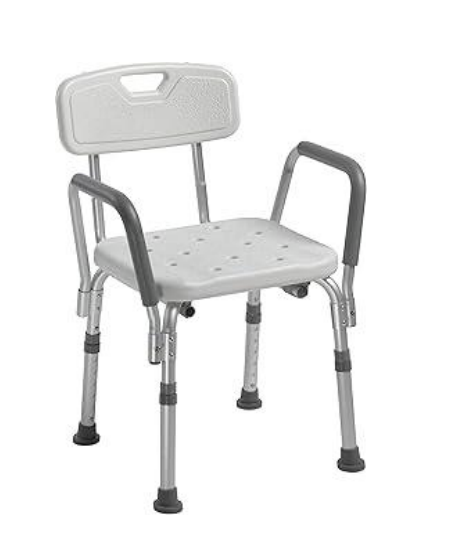
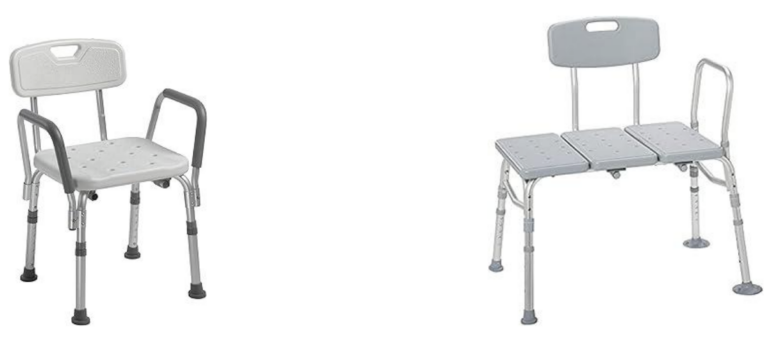
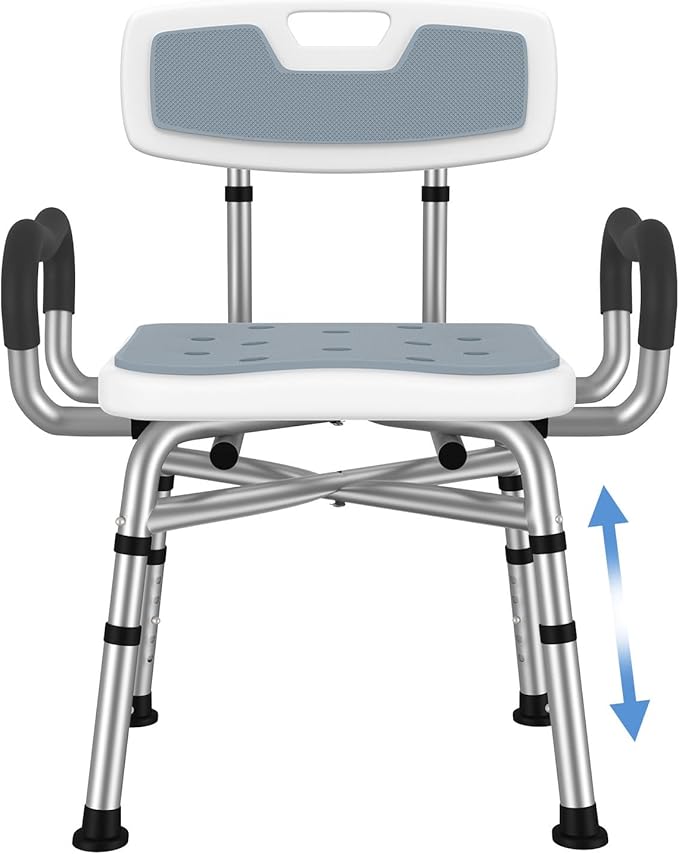
explore!- Stall style showers have various dimensions: small 32″x32″or standard square 36″x36.” When we consider these dimensions; the small space limits the ability to add showering equipment due to the dimensions of the equipment itself. For example, a shower chair (above left) typically runs around 19.25″D x 17.75″W x 26″H which leaves only a few inches of space for maneuverability and safety. These style showers may benefit from a built-in shower bench that can be folded against the wall and allow for increased space when not in use. It is pertinent to consider other safety features when selecting an option like this, such as the need for grab bars to stand, which
this option does not provide.
- Stall style showers have various dimensions: small 32″x32″or standard square 36″x36.” When we consider these dimensions; the small space limits the ability to add showering equipment due to the dimensions of the equipment itself. For example, a shower chair (above left) typically runs around 19.25″D x 17.75″W x 26″H which leaves only a few inches of space for maneuverability and safety. These style showers may benefit from a built-in shower bench that can be folded against the wall and allow for increased space when not in use. It is pertinent to consider other safety features when selecting an option like this, such as the need for grab bars to stand, which
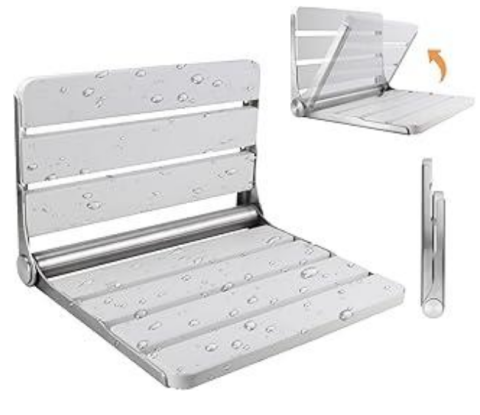
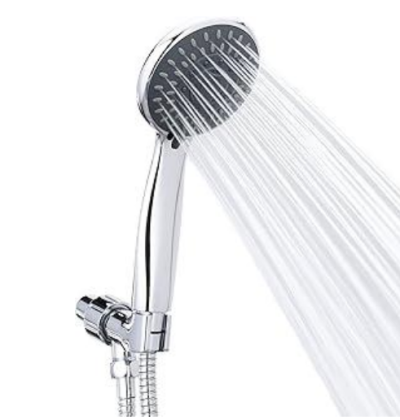
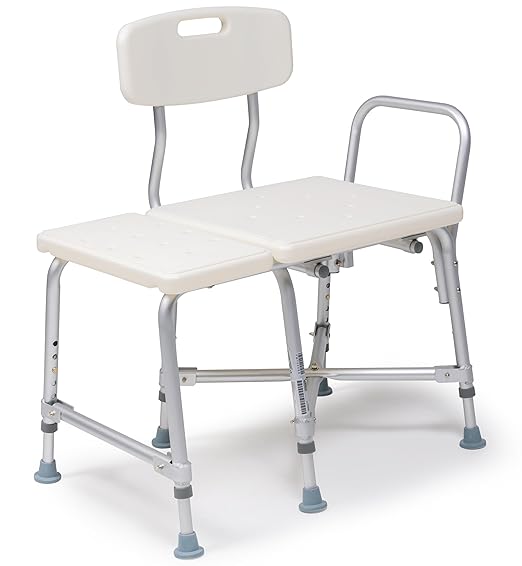
- Walk-in showers are typically 36″x48″, often 48″x48″ or bigger. This often allows for more space to consider options such as a larger style tub bench (above right) vs. a smaller style shower chair. However, it is also important to consider the entry into the walk-in shower (see below) as this may affect the style of seat appropriate for that space. Due to the size being a bit larger than a stall shower, an attached/folding style shower chair/bench may be an appropriate option; however, the size of the seat itself and therefore the distance from the shower head for effective utilization of shower features may make this style less desirable. While less desirable, it does not mean an attached/folding style seat cannot be utilized; it may mean considering additional measures for safety and efficiency such as a removable hand-held shower head (typically 60” from floor and secondary slide bar at 30-40″ from the floor) or grab bars (see below).
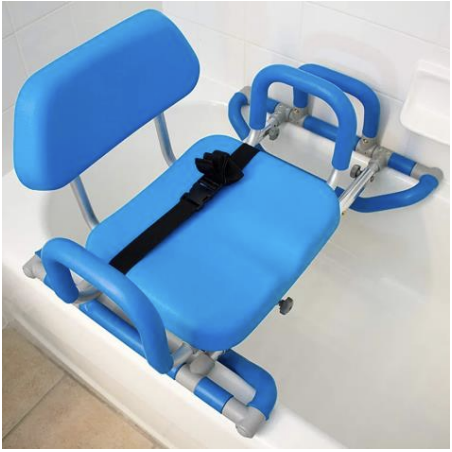
- Tub showers are standardly 60” x30”-36″ with a 4”-6” inch lip to traverse. Due to the height of this lip to enter, many of our patients have a difficult time with transferring safely and independently. This is where the tub bench shines! With 2 legs that sit inside the tub, and 2 legs outside; extending the seat over the edge allows someone to sit on that edge and from seated, lift their legs over the lip one at a time. This significantly improves safety as there is a reduced risk of falls as the person is already seated when lifting
their legs. Key considerations here are the entry (see below), the environmental space to accommodate for the extension of the bench over the edge of the tub itself, and any extra space required for a caregiver to assist. - Roll-in/Curbless Showers provide those with significantly reduced mobility to have easier access to showering facilities without barriers to negotiate. Sizing is similar to tub showers as noted above, however, if a caregiver is required to assist with bathing; increasing size to 60”x60” or 72”x72” may provide greater space to adequately and safely provide care. Since a roll-in/curbless shower is typically a wide-open space, this offers the greatest opportunity to use any form of showering equipment that meets the person’s needs. Many times, the need for this style shower is accompanied by greater medical complexity and therefore more dependent, mobile, or customized equipment such as a RAZ AT are more likely to be utilized. Luckily, wider spaces also allow for the potential for installing overhead tracks for those that are dependent for transfers.
- Tub showers are standardly 60” x30”-36″ with a 4”-6” inch lip to traverse. Due to the height of this lip to enter, many of our patients have a difficult time with transferring safely and independently. This is where the tub bench shines! With 2 legs that sit inside the tub, and 2 legs outside; extending the seat over the edge allows someone to sit on that edge and from seated, lift their legs over the lip one at a time. This significantly improves safety as there is a reduced risk of falls as the person is already seated when lifting
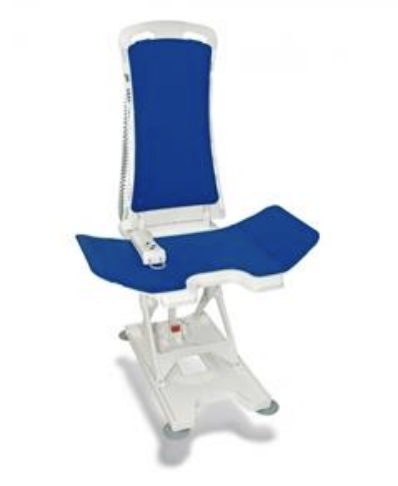
- Jacuzzi Tubs standardly have a height of 16”-26” and come in a variety of shapes and depths. As a result of this, many pieces of standard equipment need to be set at its highest height to clear the edge. Alternatively, there are options that are attached to each side of the tub itself or automatic lift style seats that have greater adjustments in height; however, it is important to consider transfer status (see below) and the space available for a caregiver to provide support in these cases.
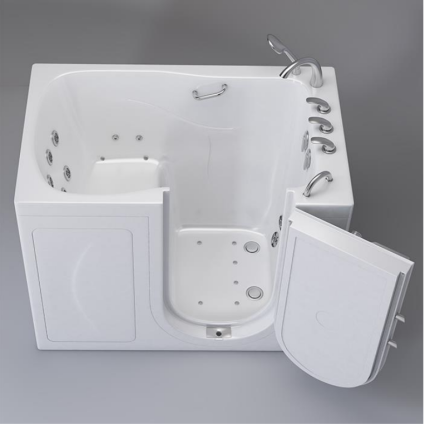
- Walk-in tubs are an all-inclusive option in which there is a minimal lip to step over, built-in seat, handles/grab bars, jacuzzi jets, and close proximity to faucets to allow for independent bathing. They also come in a variety of sizes from compact (47”x28”) and standard (52”-60”x28”-32”), to bariatric options (60”x40”). Once again, it is important to consider that due to many features being built in, this allows little room for customization to meet medically complex needs or allow room for a caregiver to provide support if needed.
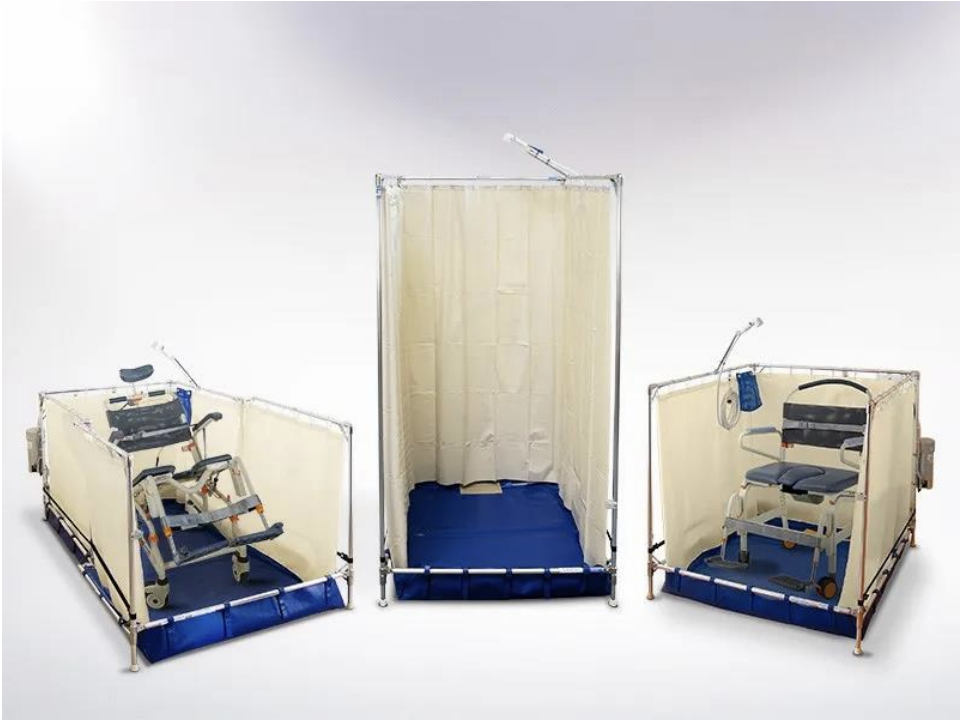
- NOTE: As patients and families consider making modifications to their showers with changes in functional status, it is important to recognize that not everyone may have the space to do so. In this event, it is typically recommended to transition to bathing at a seated/bed level. However, that does not offer the greatest opportunity for maximizing safe hygiene. Note that there are portable shower options that can be set up in other locations such as a living room if it is in close proximity to a water line/source as would be required with a product such as the FAWSSIT. If financial challenges are also a barrier, it is always important to check with government, state, and local organizations for grants and assistance.
- Transfer Status
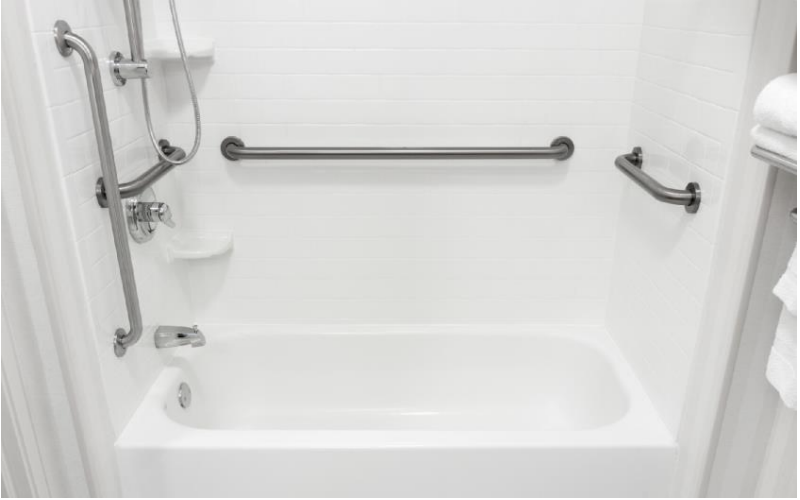
- Grab Bars: A person that requires the use of an ambulatory device, typically utilizes the arms of a chair to support standing and therefore will likely benefit from grab bars to support standing in this alternative location. Those with lower extremity weakness/mobility limitations such as foot drop may benefit from grab bars to support balance and stability when entering and exiting the shower/tub as well.
- Solid grab bars are typically 18”-48” long with 1”-1.5” diameter that are installed directly into the wall. A variety of holding points, locations, and positioning of bars should be considered such as along
the short wall, long wall, and outside the shower; or angled, horizontal, or vertical orientation. These affect the overall recommended height of installation from 32”-36″ while inside the shower or 23” as lowest point of bars outside the shower.
- Solid grab bars are typically 18”-48” long with 1”-1.5” diameter that are installed directly into the wall. A variety of holding points, locations, and positioning of bars should be considered such as along
- Grab Bars: A person that requires the use of an ambulatory device, typically utilizes the arms of a chair to support standing and therefore will likely benefit from grab bars to support standing in this alternative location. Those with lower extremity weakness/mobility limitations such as foot drop may benefit from grab bars to support balance and stability when entering and exiting the shower/tub as well.
- Some equipment may come with already installed handles that can assist with transfers; however, based on a person’s arm length, height, and transfer status; may not be adequately positioned to
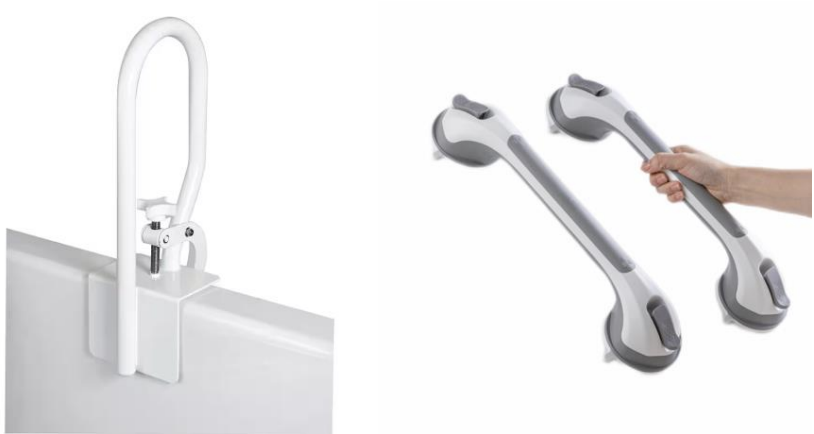
assist with entering/exiting. - There are also adjustable/removable options for grab bars such as a tub bar or suction cup grab bars that can be considered. These may be a good option for those who are unable to make permanent modifications to their showers; however, it is important to note that these non-permanent options have a greater chance of losing adherence over time and therefore reducing safety.
- Some equipment may come with already installed handles that can assist with transfers; however, based on a person’s arm length, height, and transfer status; may not be adequately positioned to
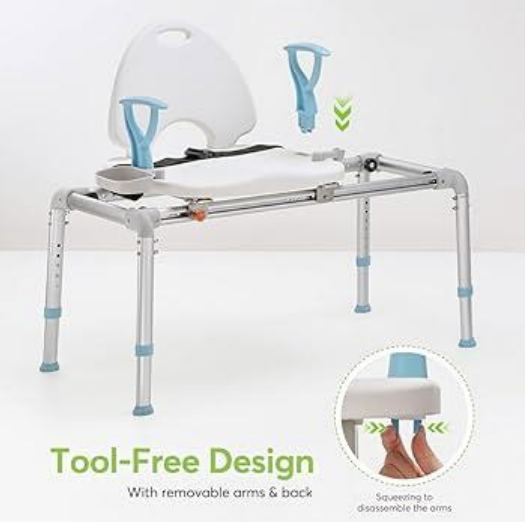
- A person that requires the use of a transfer board or completes a lateral transfer will likely benefit from options that allow for a portion of the equipment to hang over the edge of tub, have a sliding portion, or are able to be situated immediately at the edge of the shower space to reduce the distance to transfer and optimize safety. In order to remove as many obstacles as possible, it is important to consider if the equipment being utilized has the ability for an armrest to be removed for easier and safer access to complete the transfer, or a swivel style seat.
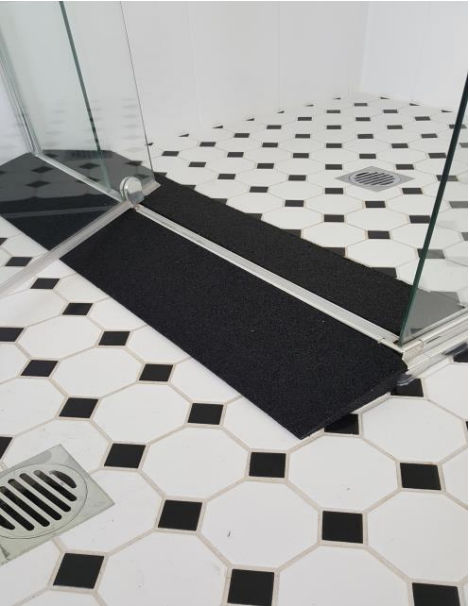
- If a person uses a rollator or cane and is leery about clearing the lip of a walk-in shower, it may be beneficial to consider shower threshold ramps that come in a variety of sizes to accommodate any space and removes the barrier while allowing continued use of the ambulatory device throughout the entirety of the transfer. These pieces can be purchased as a whole that traverses the lip and sits on both sides of the shower, or as individual pieces that can sit inside and outside of the shower. Considerations include: a whole piece can inhibit a glass door, individual pieces needing greater adherence to the floor, and size may take up space for equipment or extend into clearance/maneuverability space of the bathroom itself.
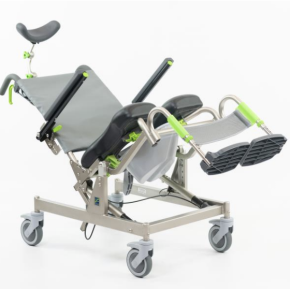
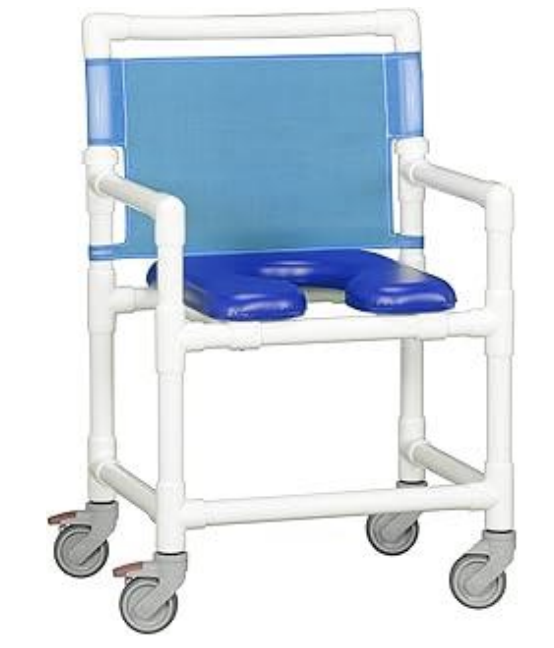
- If a person is dependent for transferring and requires the use of a lift for transfers, options generally include an overhead track system or hoyer lift. The benefits of an overhead track system includes the ability to be transferred directly into the shower itself without additional equipment inhibiting space; however, this can be very cost prohibitive. Alternatively, free standing hoyer lift systems can be a dynamic piece of equipment. Depending on the environmental constraints of the space, a hoyer lift may fit directly into the bathroom for transfers onto/off of showering equipment; or a person can be transferred onto a rolling shower chair (such as shown below) in a different space of the home (i.e. from bed to shower chair) and be wheeled into the bathroom and shower without bringing the equipment into the space. Semi-automatic hoyers are typically covered by insurance with a prescription from a medical provider.
- Medical Complexity and Need for Customization
- Many patients we see move beyond the need for standard tub shower and walk-in shower based equipment. This can be for a number of reasons including spasticity or hypotonicity, postural abnormalities, contractures, cognitive or behavioral challenges, internal/external devices such as
catheters or drain, etc resulting in difficulty to sustain positioning on traditional equipment without external positioning aids. - There are many forms of customization that can support various environmental constraints, allow greater support for the person, and reduce caregiver burden. Here just a few of the many options available:
- Back rests on standard tub benches and shower chairs can be switched to either side to allow for appropriate orientation to the shower head.
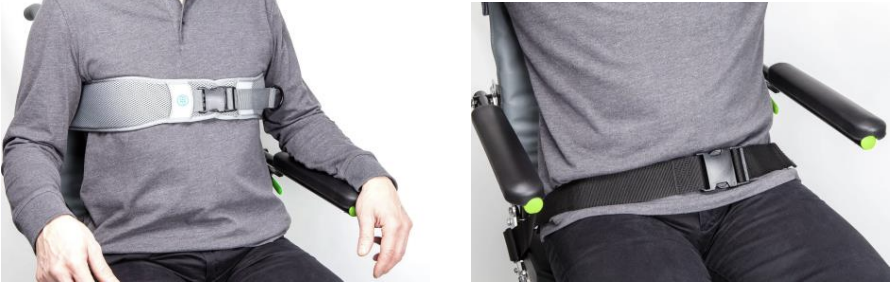
▪ Chest and pelvic straps allow for improved postural stability by preventing posterior pelvic tilting which can result in sliding anteriorly out of the chair as well as prevention of lateral or anterior trunk
leaning.
- Back rests on standard tub benches and shower chairs can be switched to either side to allow for appropriate orientation to the shower head.
- Many patients we see move beyond the need for standard tub shower and walk-in shower based equipment. This can be for a number of reasons including spasticity or hypotonicity, postural abnormalities, contractures, cognitive or behavioral challenges, internal/external devices such as
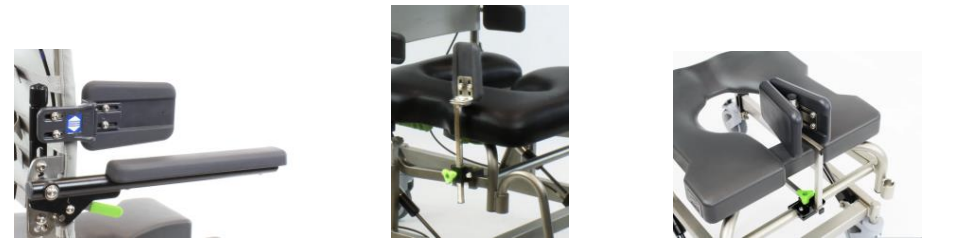
- Lateral support pads, thigh guides, or a pommel can also be utilized to maintain appropriate trunk and postural alignment for those with truncal instability such as rotation, leaning, or scoliosis; and support spasticity or hypotonicity resulting in leg abduction or adduction inhibits appropriate hygiene.
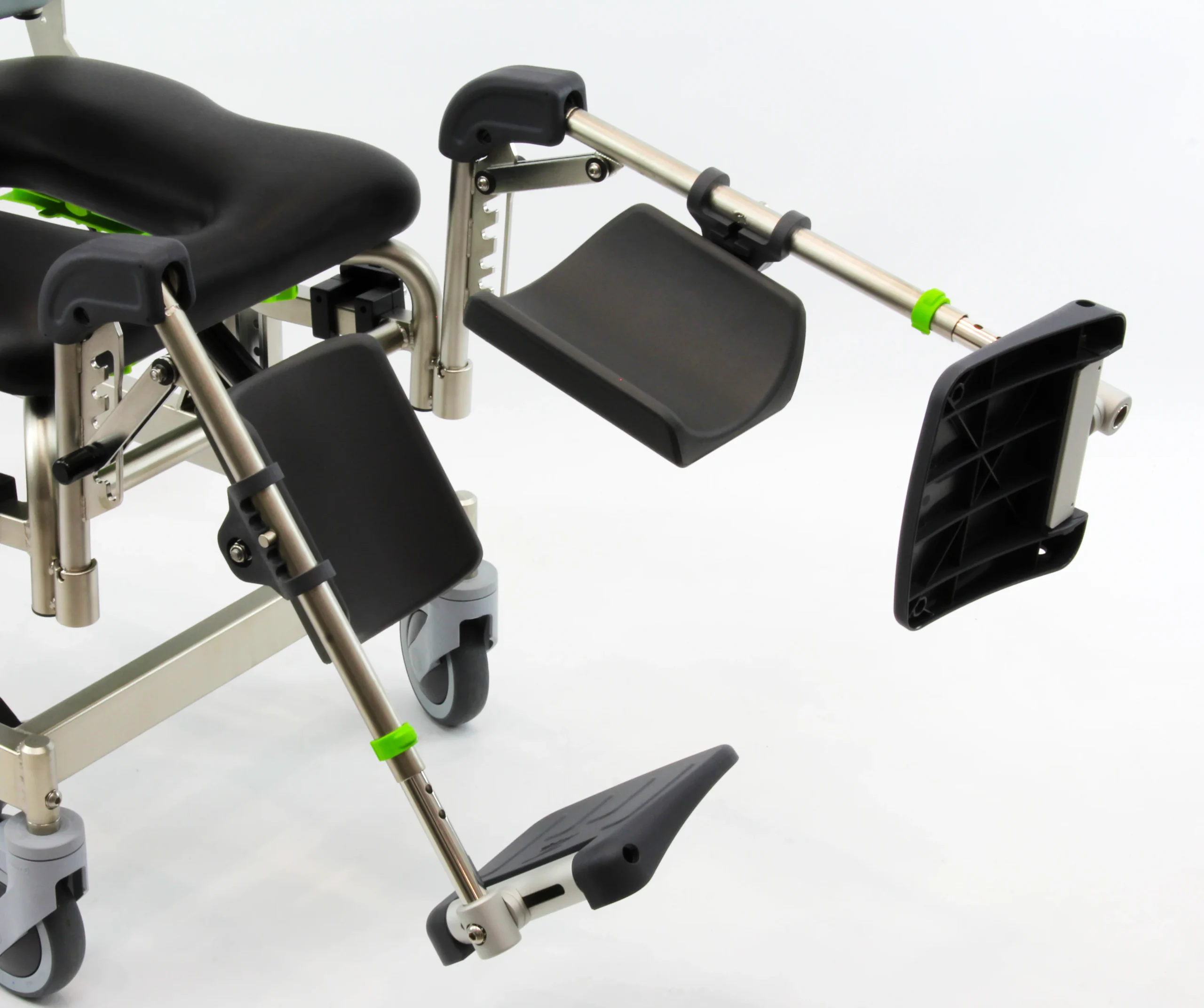
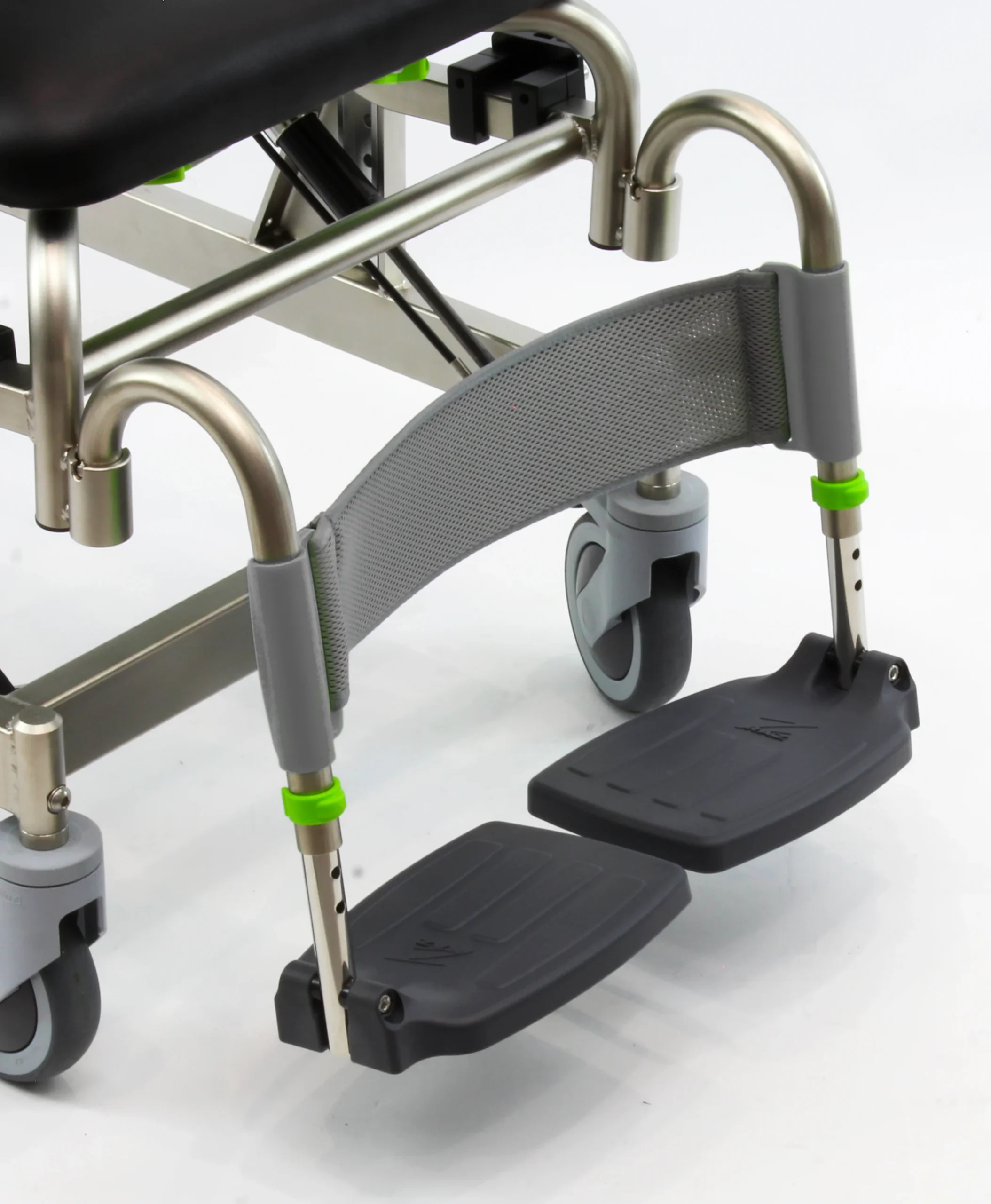
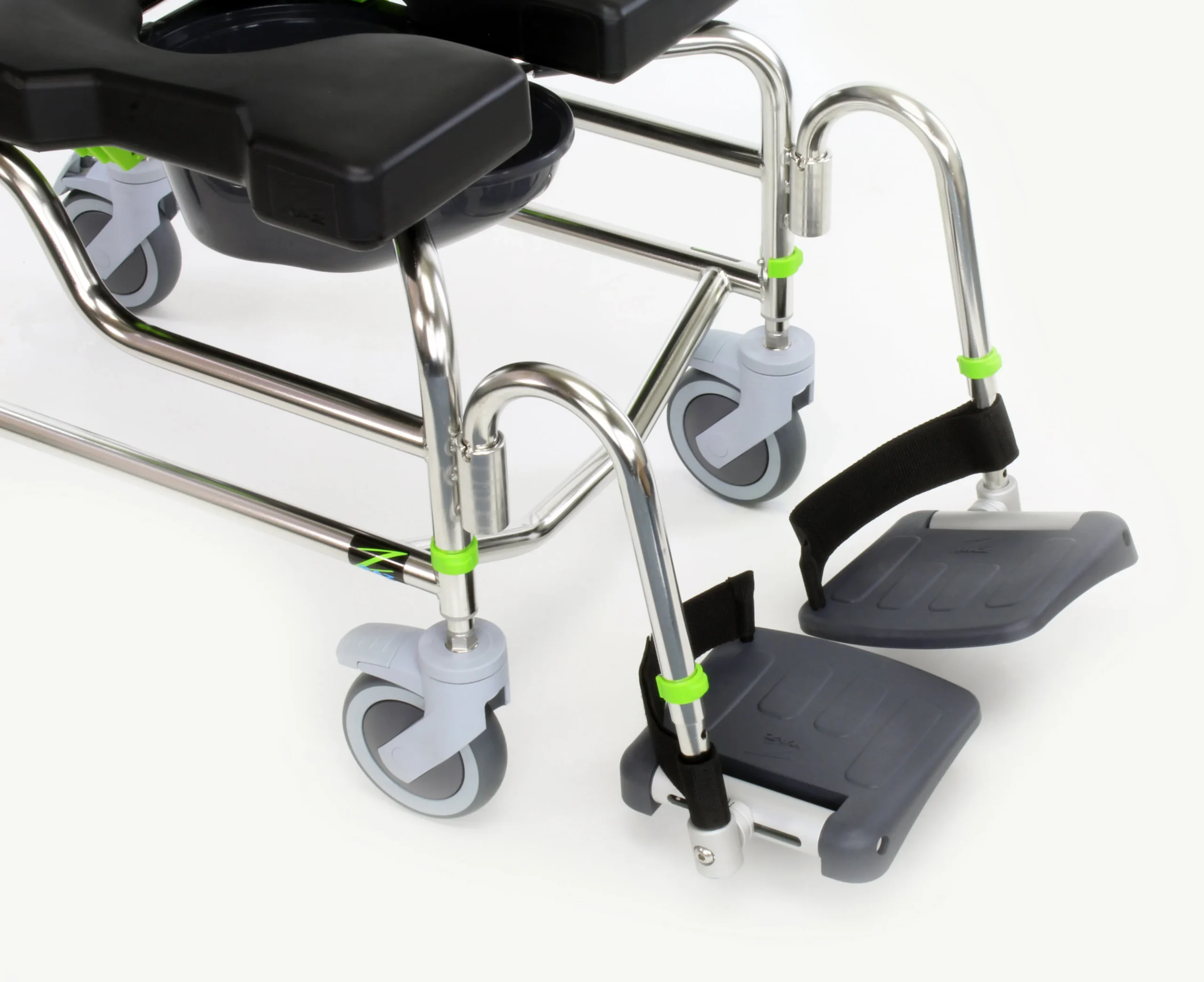
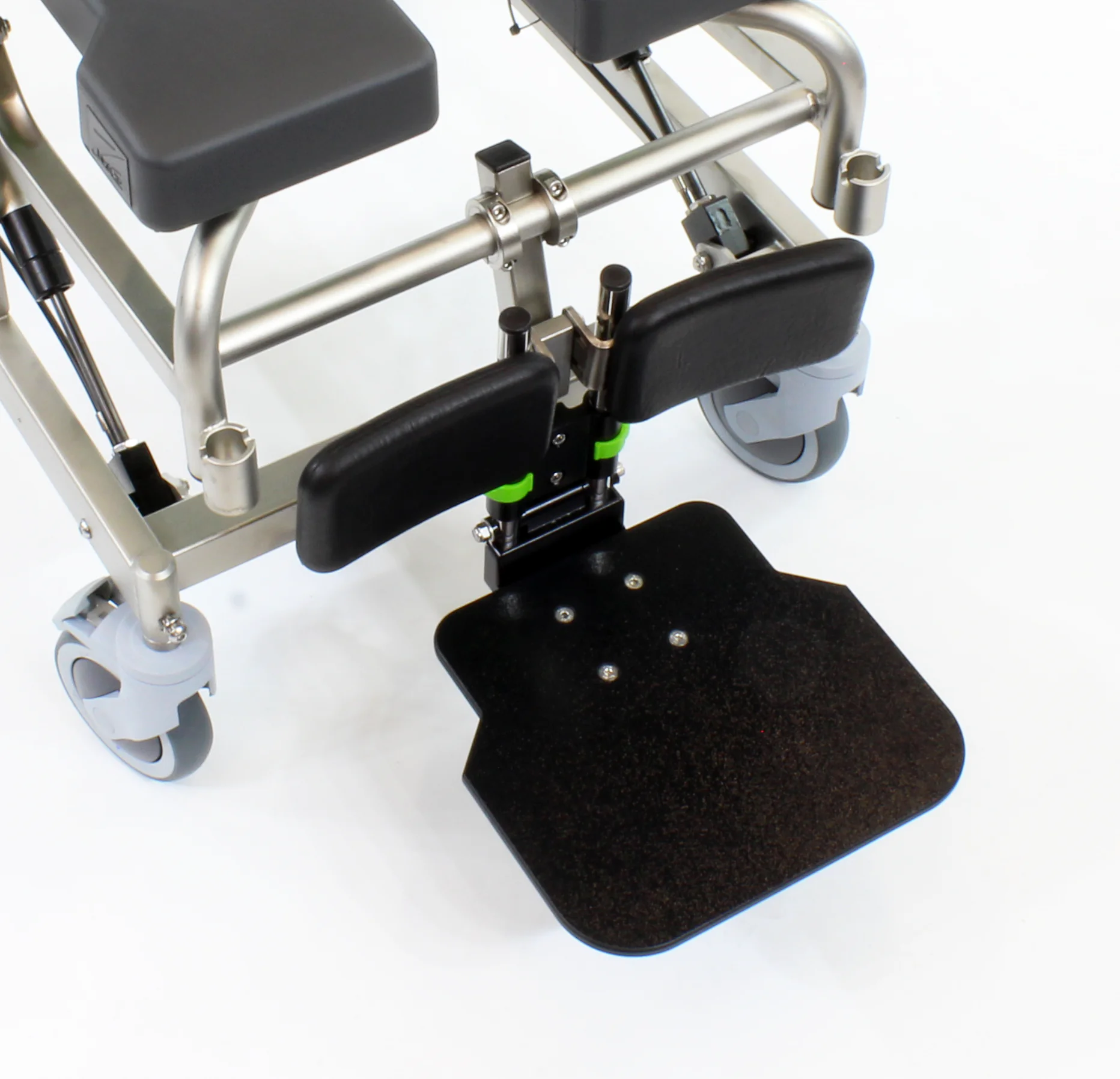
- Foot positioning can be impaired for many reasons, from spasticity or hypotonicity to edema or contractures. Positioning of the feet can lead to improved overall stability to engage in a bathing routine and can be supported with elevating leg rests, calf straps, heel loops with adjustable angled footrests, or a rigid footplate.
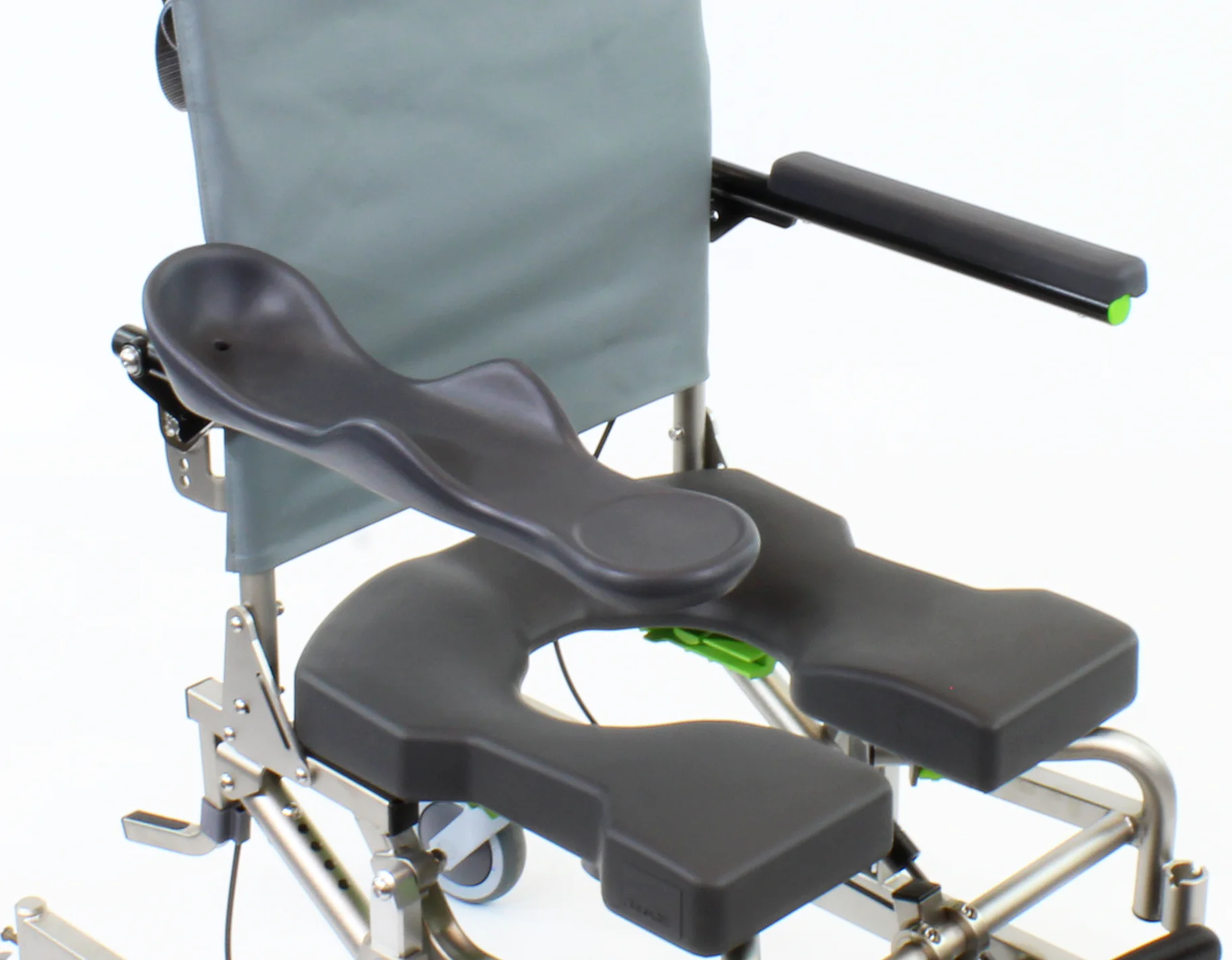
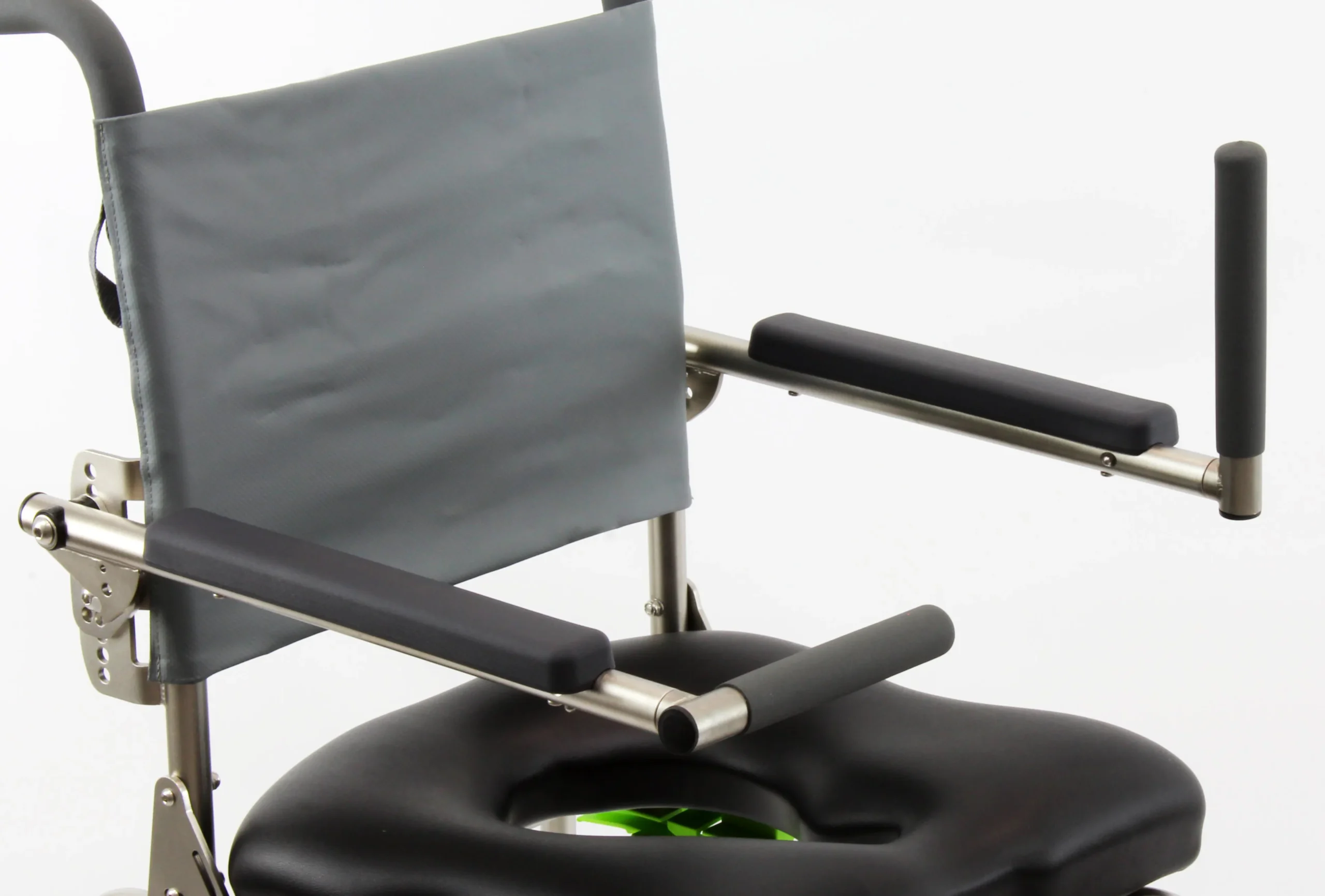
- There are arms rests of varying lengths to support each person’s individual arm size. Alternative style arm rests or accessories to support a flaccid upper extremity or to add an alternative gripping
spot for independent transfers can be accommodated with items such as an arm trough or grip handle.
- There are arms rests of varying lengths to support each person’s individual arm size. Alternative style arm rests or accessories to support a flaccid upper extremity or to add an alternative gripping
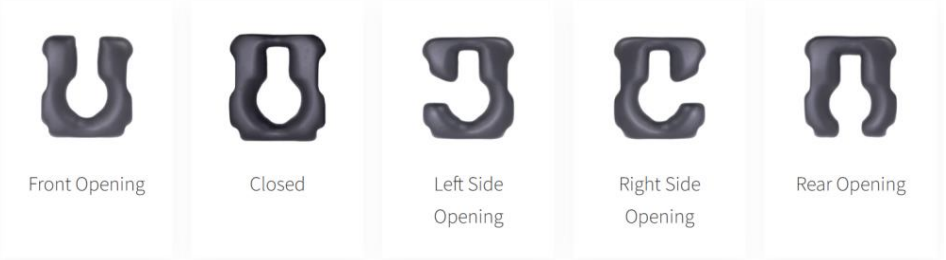
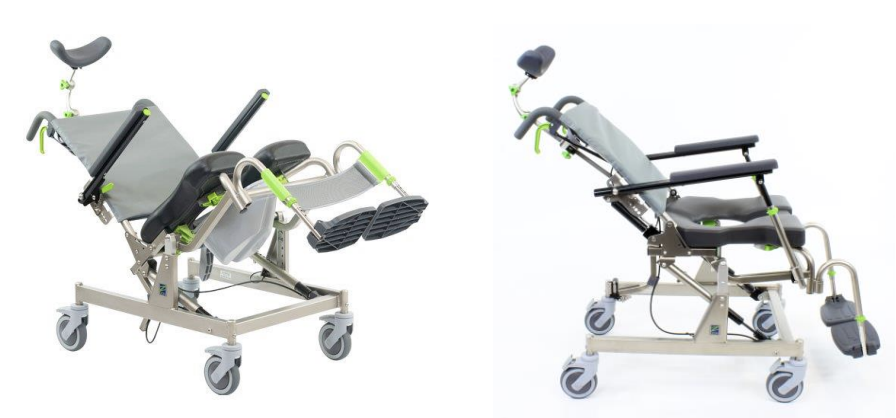
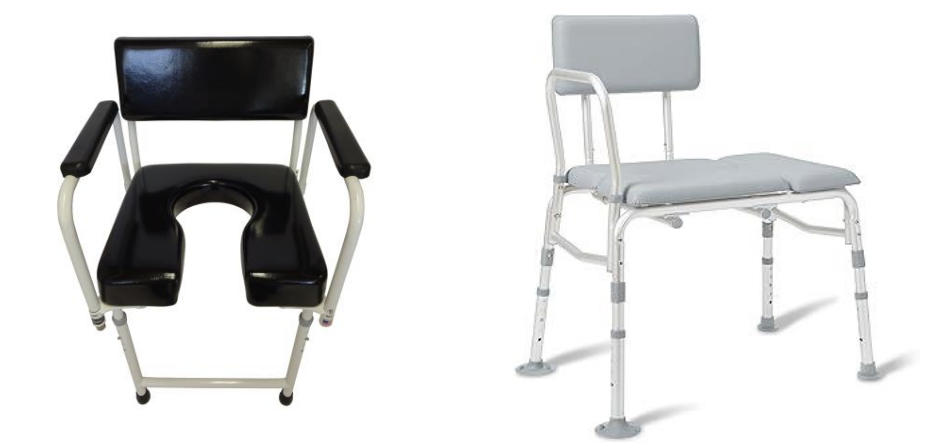
- When caregivers are involved, it is always important to consider ways to reduce burden and allow for appropriate body mechanics/access to complete a hygiene routine as thoroughly as possible. Some key features that can support a caregiver with improved access to the perineal region includes a toilet style seat built into the shower chair, allowing the equipment to be utilized for multi-purposes and has the ability to orient the opening in any direction, as well as tilt and/or recline features.
- Environmental Constraints and Other Considerations
- As discussed above, adding equipment to any space can impact maneuverability. If a tub bench comes over the edge of the shower, if a threshold ramp is added, or if a hoyer lift is utilized within the space of the bathroom; these pieces all occupy space that may be required for safe transfers and allowing for caregivers to safely interact. Therefore, environmental constraints should be considered when purchasing equipment to ensure there is adequate space for functionality and safety with transfers of both a person and their caregiver.
- It is also important to consider if there is a sliding glass door or curtain on a tub style shower. A sliding door does not allow for someone to sit on the edge of a tub bench and swing their legs over as the door will remain in the way. In this case, a curtain may be a better alternative, but may require the shower liner to be cut for placement between the legs of a tub bench protruding from the edge.
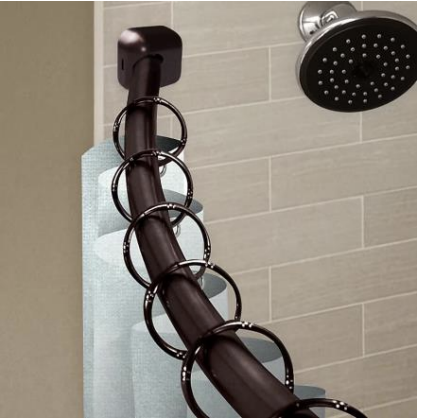
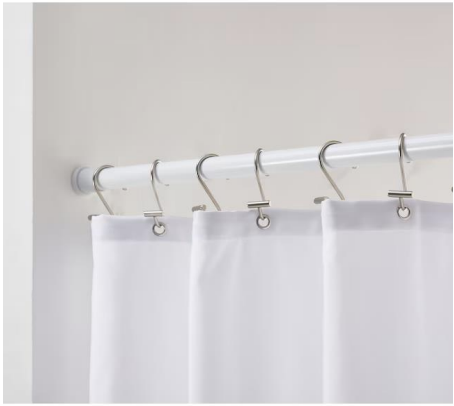
- There are various styles of curtain rods: curved and straight. A curved curtain rod offers a bit of extra space as the curtain itself sits a bit further from the edge of the tub or shower offering a little more maneuverability, which can be a good option when a caregiver is involved.
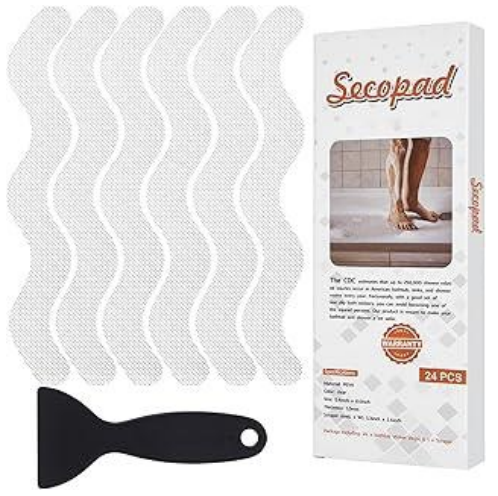
- Bathroom throw rugs and non-skid mats in the shower are commonly found within homes across the US. However, throw rugs become a tripping hazard and often get caught up in the wheels of any portable/mobile equipment and should be considered with extreme caution. Similarly, corners on non-skid mats in the showers and suction cups are not a reliant means of adherence and can become a slipping hazard. It is also imperative if utilizing these styles of mats to thoroughly rinse any soapy reside after completion of showering to minimize risk of soap buildup as that provides the greatest risk for a slippery surface. As an alternative, adhesive non-skid strips may provide a safer option.
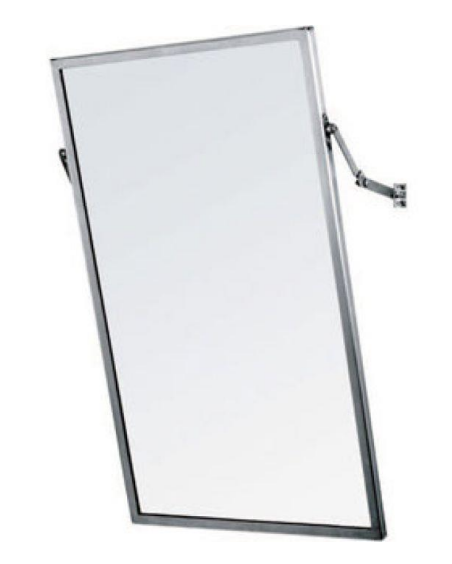
- When considering how best to provide ongoing hygienic support, proximity of various devices such as multi-use shower chairs or wheelchairs may be utilized by the sink. Considerations at this location include an open bottom sink (ensure any piping is insulated) with a mirror that tilts down from the top to allow someone to see themselves adequately from a seated position.
- Body Habitus
- Insurance typically covers a bariatric shower chair or bariatric tub bench that is wider (how much wider is brand dependent) for those greater than 250-300lbs. However, patients may have a hip width that is greater than the 19” of a standard commode without meeting the weight limit insurance requires for coverage. This may be an indicator to encourage your patient to seek private pay options.
- Skin integrity
- Many shower chairs and tub benches have options to have a padded surface, however, from an insurance perspective; this only applies to those with current or recent medical history of skin breakdown. What we know to be true as OT’s is that with reduced mobility, body habitus that may result in increased bony prominences of the sacrum/spine, impaired sensation, and increased length of time seated on a hard surface to complete a bowel program can increase the risk of skin breakdown. Acting in a preventative fashion with appropriate surfaces is important. Therefore, seeking private pay options or documenting the risks thoroughly to attempt insurance coverage should be considered.
- Hygiene
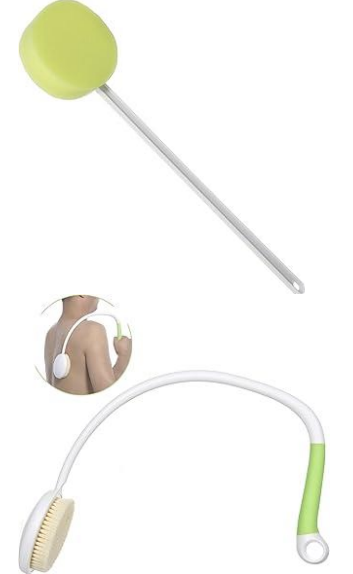
- Various factors can lead to reduced independence in showering and thoroughness of hygiene. Options to consider include various assistive devices such as the following:
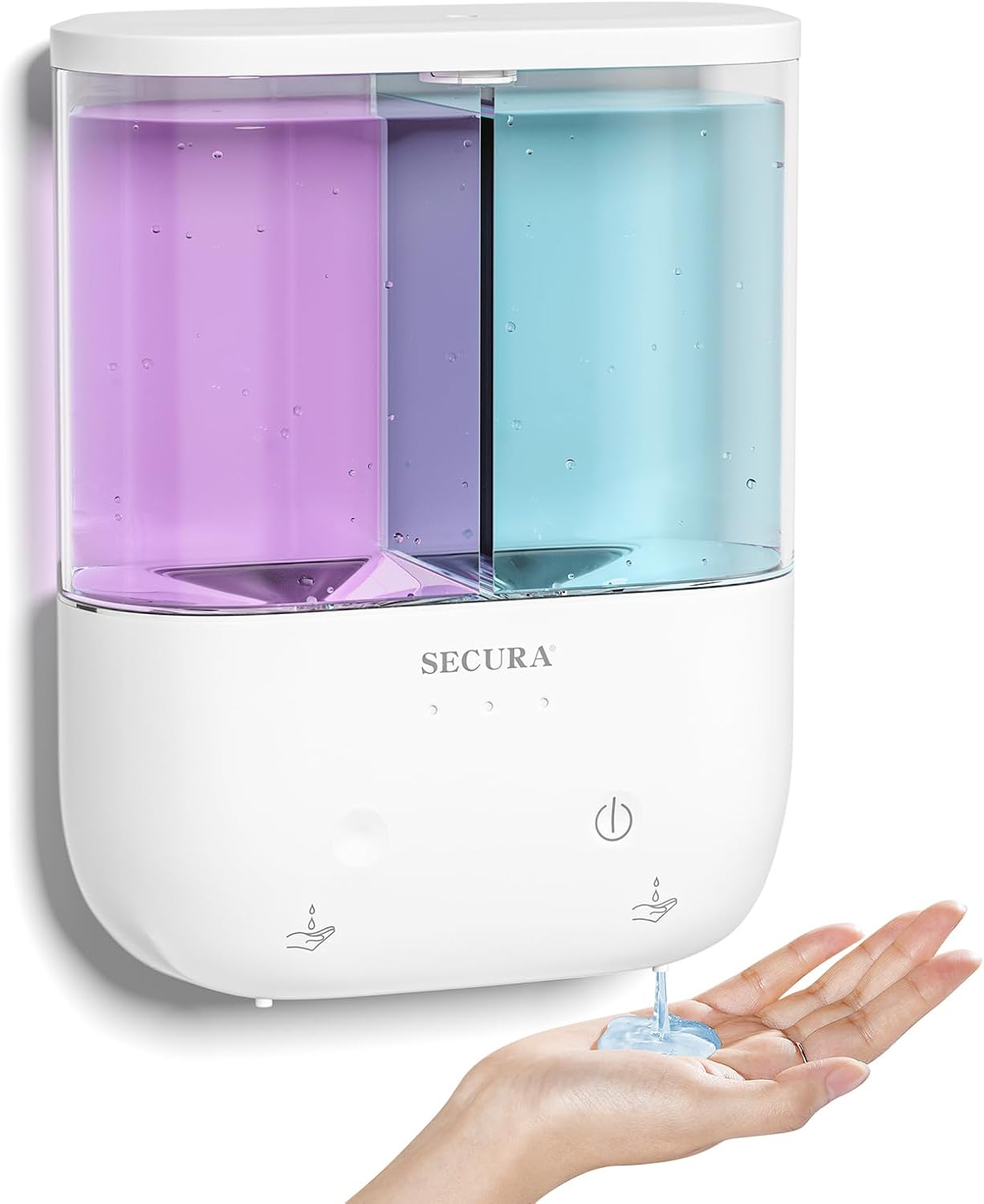
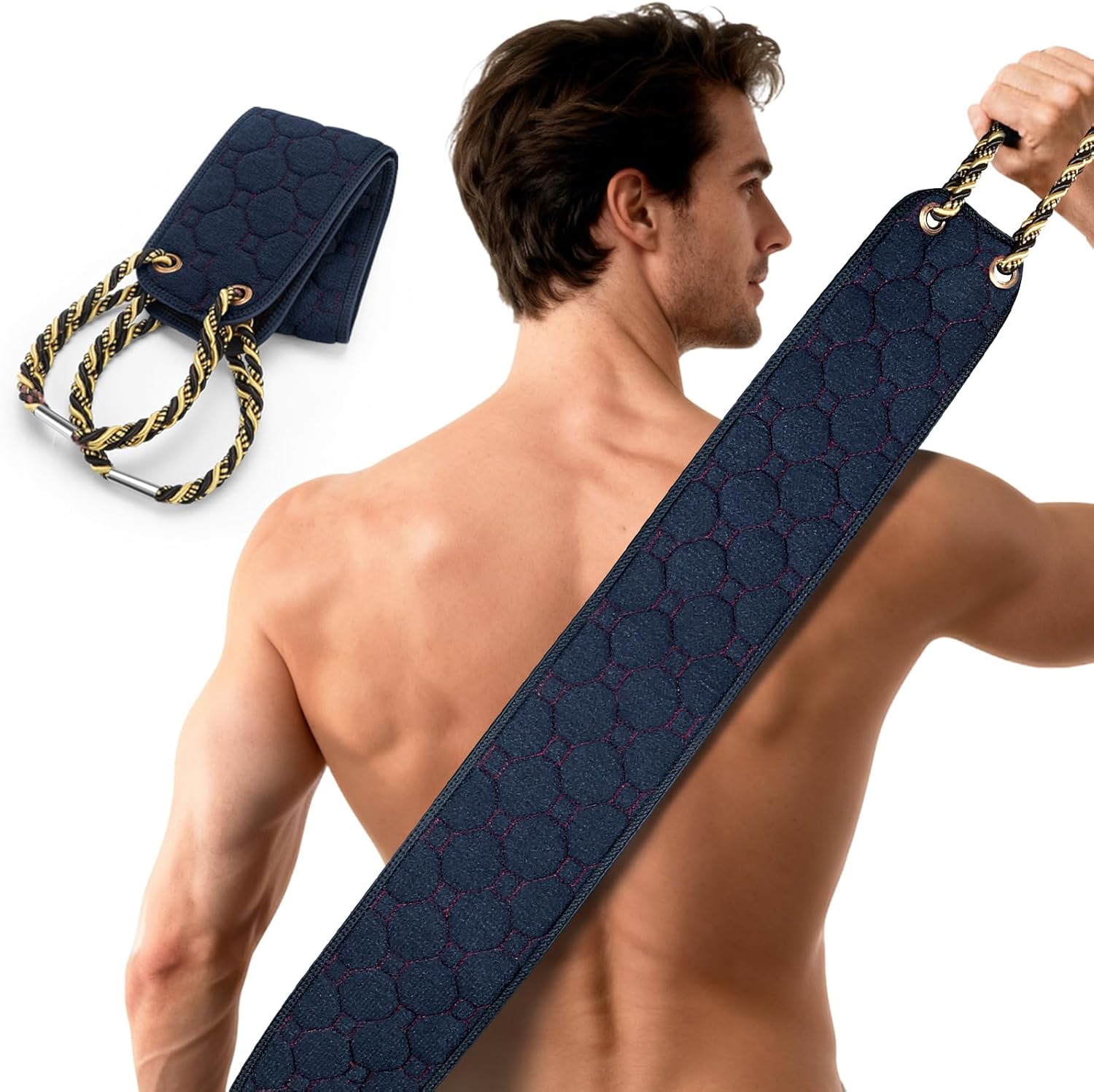
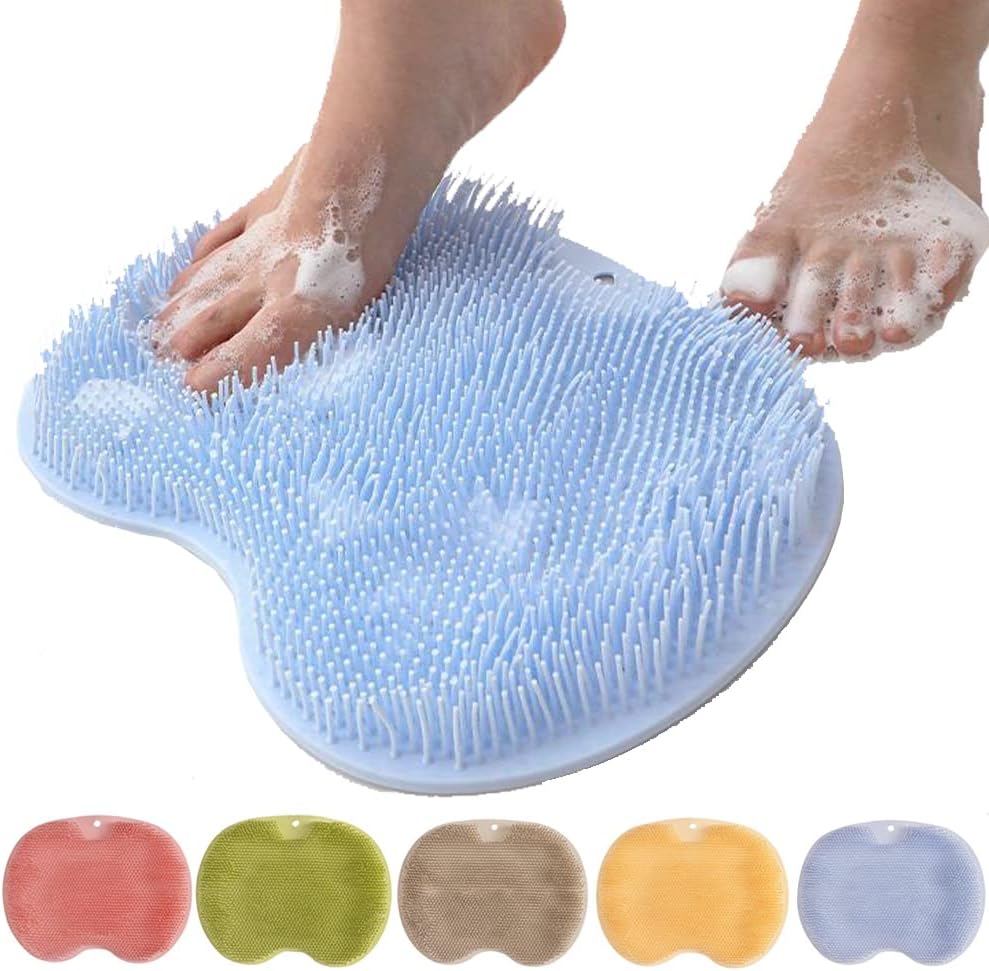
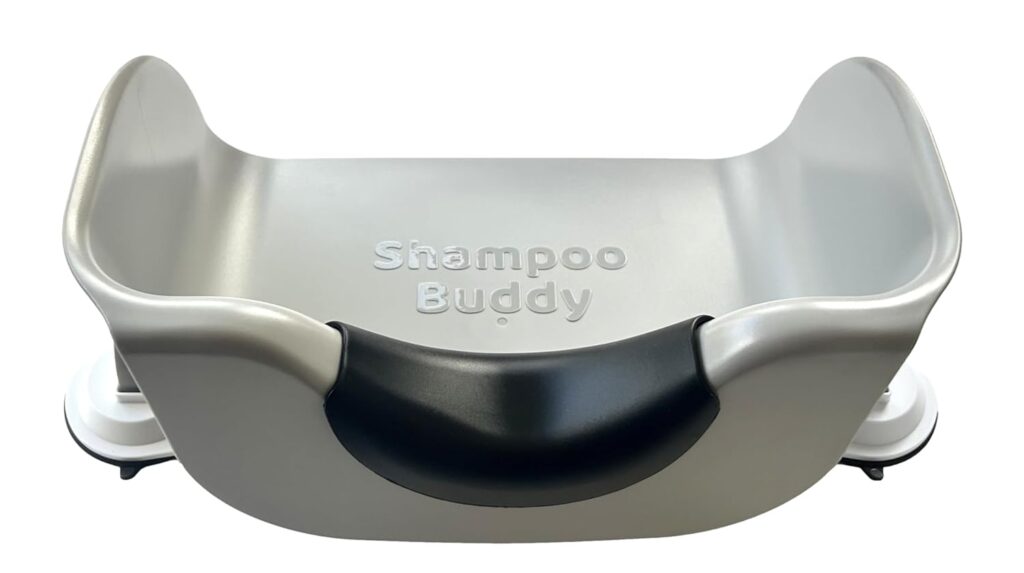
There are currently multiple durable medical equipment locations across the state of Ohio that sell these products, including, but not limited to the following in each of the OOTA districts. However, many times there are opportunities to find some of these products through donations at local churches, Goodwill, lending libraries, grant programs with diagnosis specific organizations (i.e. ALSA, NMSS), etc which should be considered for those with financial disparities. For more customized equipment, a durable medical equipment specific vendor may be required such as National Seating and Mobility, NuMotion, or direct from the vendor such as RAZ Designs.
Northwest District: Hart Medical Equipment
North Coast District: Buckeye Medical Supply
https://buckeyemedicalsupply.com/
West Central District: New Visions Medical Equipment
https://www.newvisionsmedical.com/
Central District: Advanced Medical Supply
North Central District: Med Mart
https://medmarthome.com/medical-supply-equipment-store-akron/
South District: Jackson Medical Supply
https://www.jcmh.com/services/home-health-products/medical-equipment/
Southwest District: Med Mart
https://medmarthome.com/medical-supply-equipment-store-warren-county/
DISCLAIMER: The inclusion of links to products in this article does not reflect a formal endorsement from OOTA, nor are the products listed in this article a comprehensive list of the available products to address the needs of individuals requiring the use of assistive technologies
Leave a Reply