

Inaugural Feeding Symposium Provides Specialized Learning Opportunity for OOTA Members
Nathan Grizenko, OTD, OTR/L
Members walked away with much food for thought at the conclusion of the 2026 Pediatric Feeding Symposium, a continuing education event that became a valuable addition to the Ohio Occupational Therapy Association’s professional development offerings. From the opening session to the final presentation, the day was filled with meaningful discussion, evidence-based practice, and enthusiastic engagement from practitioners across the state.
With more than 60 participants in attendance and an active virtual chat full of questions, insights, and shared experiences, the symposium created a dynamic learning environment that reflected the strong interest in pediatric feeding therapy within our profession. The opportunity to earn continuing education units further highlighted the significance of this event and its commitment to advancing clinical competence.
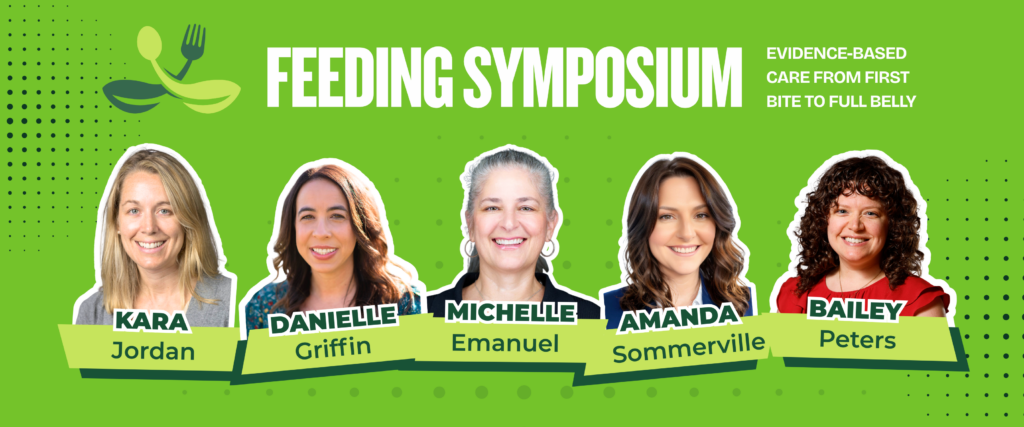
The symposium began with an overview of feeding evaluation and intervention, presented by Bailey Peters, Doctoral Capstone Coordinator at The Ohio State University, and Danielle Griffin, an experienced pediatric occupational therapist. Together, they provided a comprehensive introduction to developmental milestones related to feeding, including motor and sensory development in infants and young children.
Their presentation emphasized the complexity of feeding evaluations, addressing not only medical factors but also cultural, social, and family routines that influence feeding practices.
They highlighted how feeding is both a biological necessity and a deeply social occupation. The strategies they shared for conducting thorough and thoughtful evaluations offered participants a strong foundation for understanding terminology, clinical reasoning, and best practices throughout the remainder of the day.
The second presentation, led by Danielle, focused on comparing feeding interventions across different service settings, including home-based, school-based, and clinic-based therapy. This session stood out for its strong emphasis on evidence-based practice and its use of current literature to support clinical decision-making.
By examining the advantages and challenges associated with each setting, participants gained valuable insight into how context influences intervention outcomes. Danielle’s thoughtful analysis encouraged clinicians to reflect on their own practice environments and consider strategies for overcoming common barriers. Her integration of research and practical application reinforced the importance of grounding intervention in both evidence and lived clinical experience.
Another highlight of the day was the presentation by Amanda Sommerville from Nationwide Children’s Hospital, who shared her expertise in pediatric feeding evaluation and intervention, particularly with infants and young children. Her session addressed assessment procedures and targeted interventions aimed at supporting adequate nutrition and safe feeding.
Key topics included positioning, bottle and feeding system modifications, optimizing liquid flow rate, and minimizing risks such as gagging and aspiration. Amanda also emphasized the importance of caregiver health and well-being, particularly in the context of chest and breastfeeding, and the need to address parental concerns with empathy and clarity. Additionally, her discussion of standardized and structured assessments highlighted the value of objective data in supporting clinical recommendations, caregiver education, and service justification.
The final portion of the symposium featured two exceptional presentations that highlighted interdisciplinary care and advanced clinical knowledge. Kara Jordan shared Nationwide Children’s Hospital’s transdisciplinary approach to feeding therapy, demonstrating how occupational therapy practitioners collaborate with professionals from multiple specialties to support medically complex clients. This model exemplified holistic, family-centered care and underscored the importance of teamwork in achieving optimal outcomes.
The closing presentation was delivered by Michelle Emanuel, who brings 29 years of occupational therapy experience and extensive expertise in infant and oral motor development. Michelle provided in-depth instruction on the physiological and anatomical foundations of feeding, including tongue and jaw function, swallowing mechanisms, lip closure, and sucking patterns.
She also explored the relationships between oral motor skills, breathing, and overall feeding efficiency. Her passion for functional, developmentally-grounded practice was evident throughout the session. As a private practice owner with diverse clinical specializations, Michelle offered invaluable insight into treatment planning and intervention strategies. Her presentation left a lasting impression on participants and highlighted the importance of ongoing education in this specialized area of practice.
The 2026 Pediatric Feeding Symposium was a thoughtfully designed and professionally enriching event. Each presenter contributed unique expertise, creating a comprehensive learning experience that addressed evaluation, intervention, caregiver support, interdisciplinary collaboration, and anatomical foundations of feeding.
Beyond the clinical content, the symposium fostered connection and collaboration among occupational therapy practitioners statewide. The high level of participation and engagement reflected a shared commitment to improving services for children and families.
This event demonstrated the value of continued investment in high-quality professional development opportunities. OOTA continues to build relationships with these outstanding presenters and offers future trainings that allow for deeper exploration of these essential topics. The knowledge and inspiration gained from this symposium will undoubtedly support practitioners in providing effective, evidence-based, and compassionate pediatric feeding services.
Leave a Reply